2026 How to Care for Sensitive Skin Effectively and Safely?
Sensitive skin care is an increasingly important topic. According to a study from the American Academy of Dermatology, nearly 50% of adults report having sensitive skin. This can range from mild redness to severe irritation. Many factors contribute to sensitivity, including genetics, environmental stressors, and products used daily.
Effective management of sensitive skin requires knowledgeable choices. Dermatologists recommend using fragrance-free products and avoiding harsh chemicals. A report from the Journal of Clinical Dermatology highlights that 60% of people with sensitive skin experience flare-ups from common ingredients. This draws attention to the need for personalized routines in sensitive skin care.
Reflection on individual experiences is essential. Not everything that claims to be gentle is safe for everyone. Frequent skin reactions can lead to frustration. Understanding one’s unique triggers is key to developing a successful sensitive skin care strategy. It takes time and patience to find what works best for you.

Understanding Sensitive Skin: Characteristics and Causes
Sensitive skin can be a challenging condition to manage. It often presents with redness, itching, or a burning sensation. These symptoms can arise from various factors, including genetics, environmental influences, and lifestyle choices. Individuals with sensitive skin might react negatively to certain products, making it crucial to understand the triggers that lead to these responses.
Common characteristics of sensitive skin include a thin epidermis and an impaired skin barrier. This makes the skin more vulnerable to irritants and allergens. Factors like weather changes, UV exposure, and harsh skincare ingredients can exacerbate sensitivity. Reflecting on personal habits may reveal overlooked triggers; some might not realize their daily skincare products contain irritating substances. Sensitivity can also be influenced by stress and diet, which can alter skin health.
Managing sensitive skin requires a thoughtful and gentle approach. It's essential to adopt a consistent routine that includes soothing and hydrating ingredients. Observing how your skin responds to changes is key. Everyone's skin is unique; what works for one may not work for another. Regularly reassessing your skincare regimen can lead to better outcomes and enhance overall skin health.
Essential Ingredients for Sensitive Skin Care Products
Sensitive skin requires thoughtful care and specific ingredients. Studies show that nearly 60% of adults report having sensitive skin at some point. It is crucial to choose products that are gentle and soothing.
Key ingredients for sensitive skin include chamomile, aloe vera, and shea butter. These natural extracts provide hydration and reduce irritation. According to a review published in the *Journal of Dermatological Science*, chamomile has anti-inflammatory properties that can alleviate redness and discomfort.
A surprising fact is that not all natural ingredients are safe for sensitive skin. Essential oils, for example, can cause allergic reactions in some individuals. It’s essential to patch-test new products. Skin sensitivity can also change over time, making regular assessments necessary. Keeping a skin diary may help track reactions.
Daily Skin Care Routine for Sensitive Skin: Step-by-Step Guide
Caring for sensitive skin requires a thoughtful approach. Start your daily routine with a gentle cleanser. Choose one that is fragrance-free. Apply it in gentle circular motions. Rinse with lukewarm water, not hot, to avoid irritation. Pat your skin dry with a soft towel. This simple action matters a lot.
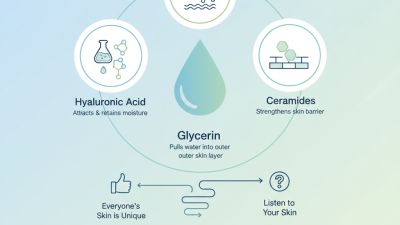
Next, use a moisturizer specifically for sensitive skin. Look for ingredients like hyaluronic acid or ceramides. They help maintain hydration without causing irritation. Apply it while your skin is slightly damp. This helps lock in moisture effectively. Sometimes, my skin reacts unexpectedly, even to safe ingredients. Always patch test before applying new products.
Finally, sunscreen is crucial. Use a broad-spectrum SPF that is designed for sensitive skin. Apply it every morning, even on cloudy days. Reapply throughout the day if you spend time outdoors. It protects your skin from harmful UV rays. Reflecting on my routine helps me pinpoint irritants. Keeping a detailed log can be beneficial. Notice how your skin reacts, and adjust as needed. This process takes time, patience, and consistency.
Natural Remedies and Home Treatments for Sensitive Skin
Sensitive skin requires special attention and care. Many people turn to natural remedies to soothe and heal their skin. A survey from the American Academy of Dermatology found that over 50% of individuals with sensitive skin reported improvement using natural ingredients. Commonly used options include aloe vera, chamomile, and calendula. These natural treatments can provide hydration and reduce inflammation.
Aloe vera, in particular, is known for its calming effect. A study published in the Journal of Skin Research showed that aloe vera can decrease redness by up to 30% in irritated skin. Chamomile tea bags, when applied topically, may help reduce allergic reactions and redness. Meanwhile, calendula is effective in wound healing and can prevent further irritation. While these remedies are generally safe, individual reactions can vary. It's essential to test a small skin area first.
Home treatments should also be approached cautiously. Using too many ingredients or applying them too frequently may lead to new irritations. Keeping a simple routine is often best. Gentle cleansers and moisturizers should be part of daily care. Awareness of your skin's reactions and adjusting your routine accordingly is key. While natural remedies offer hope, they must be used mindfully to ensure safety and effectiveness.
Skin Sensitivity Levels by Skin Type
This chart illustrates the sensitivity levels of different skin types experiencing irritations due to external factors like weather, products, and allergens. Proper care and natural remedies can help manage these sensitivities effectively.
Tips for Protecting Sensitive Skin from Environmental Stressors
Sensitive skin often reacts to environmental stressors, leading to redness, irritation, and discomfort. A study by the American Academy of Dermatology reveals that nearly 50% of adults experience sensitive skin at some point in their lives. Proper care can significantly mitigate these issues.
To protect sensitive skin, environmental factors must not be overlooked. Harsh weather, pollution, and UV rays can exacerbate skin sensitivity. Dermatologists suggest using gentle, fragrance-free products. A 2020 report by the Journal of Clinical Dermatology found that 70% of people with sensitive skin benefited from moisturizers rich in ceramides, which strengthen the skin barrier. Avoiding exposure to allergens, such as certain chemicals and synthetic fabrics, can also help soothe irritation.
It’s crucial to listen to your skin. Some individuals may react to products or environmental changes even after years of no issues. Conduct patch tests before trying new products. Take note of how your skin responds to varying climates. Understanding personal triggers requires time and patience. Adapting your skincare routine in response to environmental stressors can lead to healthier, more resilient skin over time.