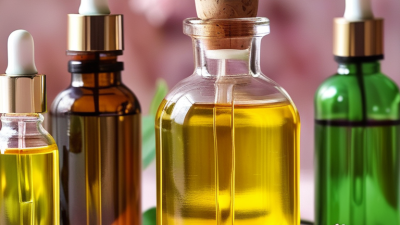
Beauty Ingredient Technology now shapes how brands choose actives, improve stability, and verify performance. The opportunity is substantial, but technical claims need evidence. Grand View Research estimated the global cosmetics ingredients market at USD 31.2 billion in 2023, with continued growth projected through 2030. McKinsey’s State of Beauty report also projected a global beauty market of about USD 580 billion by 2027. These figures signal demand, not guaranteed product success.
For buyers, the practical questions are specific: Does the active remain stable in the finished formula? Can the supplier provide reliable safety and efficacy data? Does the ingredient work at a realistic concentration? Cosmetic chemist and science communicator Dr. Michelle Wong highlights a useful toxicology principle: “The dose makes the poison.” That reminder matters when comparing supplier claims with formulation evidence.
The tips ahead focus on those decisions: delivery systems, ingredient compatibility, testing quality, traceability, and documentation. Look closely at the small details. A clear vial can still hold an unstable formula. A polished data sheet can leave gaps. Ask for methods, not just marketing language. Then check whether the evidence matches your intended product and users. Not every promising ingredient earns its place. Some choices remain uncertain, and buyers should say so. That honesty is part of sound sourcing.

7 Beauty Ingredient Technology Tips for Global Buyers
Understanding modern beauty ingredients requires more than reading a specification sheet. Start with extraction technology. Cold processing may protect delicate compounds, while controlled heat can improve consistency. Fermentation is another useful pathway. It can create smaller molecules and improve ingredient compatibility. Ask suppliers for process records, not attractive claims. Small details matter.
Encapsulation technology can shield sensitive actives from oxygen, light, or moisture. Check particle size, release behavior, and storage stability. Emulsification technology also deserves attention. A well-designed system can improve texture and distribution in a finished formula. However, performance may change across climates. A sample tested in a cool warehouse may behave differently in tropical humidity.
Preservation technology should include challenge testing and clear usage limits. Do not rely on a single preservative claim. Analytical testing, including identity, purity, contaminants, and microbiological control, supports safer purchasing decisions. Traceability technology, such as batch coding and digital records, helps buyers investigate unexpected variation. I have seen documents look complete while missing practical transport data. That gap needs attention. Request stability results, safety files, regulatory status, and packaging compatibility for each market. No technology is perfect. A responsible buyer compares laboratory evidence with real handling conditions.

Ingredient names can hide very different technologies. A humectant such as glycerin helps attract water, while a lipid-rich emollient softens rough skin and reduces moisture loss. An exfoliating acid serves another function; it does not replace either one. Simple distinction. When comparing supplier sheets, check use level, solubility, pH range, and whether the material is a blend or a single molecule. These details affect how it can perform in a finished formula.
For newer actives, ask whether the evidence matches the ingredient being offered. Bench testing may show antioxidant activity in a laboratory, but it cannot establish a visible skin benefit on its own. Human-use studies are more relevant when the formula, dose, duration, and measured outcome are disclosed. Look for sample size and a control method. I have seen attractive charts with no clear comparator. That gap matters.
Delivery systems, including encapsulated ingredients, need a separate review. Ask how the carrier affects stability, release, and compatibility with the intended formula. Request specifications, batch data, storage guidance, and evidence tied to the supplied material. Independent testing can help verify key claims. Still, evidence is rarely complete, and supplier data may not answer every question. A small formula trial can reveal practical issues that a polished technical sheet misses.
Typical use-level ranges for selected cosmetic ingredients (% w/w). These are illustrative formulation ranges, not universal recommendations; requirements vary by ingredient grade, product type, market, and local regulation.
Buyer takeaway: Compare ingredients by function, formulation compatibility, and the quality of supporting evidence—not concentration alone. Request specifications, stability data, safety documentation, and substantiation relevant to the finished product and target market. Ranges shown are general examples and should be checked against current supplier guidance and applicable regulations.
For global buyers, an ingredient’s safety file is only the start. Request its specification, impurity limits, safety assessment, and batch-level certificate of analysis. Then check whether the tested material matches the grade offered. Small differences in particle size, solvent, or active concentration can change performance. On-site, compare the supplier’s sample with your own incoming-lot checks. Keep the records.
Stability needs evidence in the finished formula, not just a reassuring raw-material sheet. Test real packaging under defined heat, light, and freeze–thaw conditions; track color, odor, pH, viscosity, and separation. For water-based products, ISO 11930:2019 gives preservative-efficacy criteria: under Criterion A, bacteria must fall by at least 3 log by day 7, with no subsequent increase through day 28. Yeast and mold have separate thresholds. Compatibility is just as practical: a botanical extract may cloud a clear gel, while an electrolyte can thin a polymer-thickened lotion. Ask for the supplier’s recommended use range and known incompatibilities, then run a pilot batch. It may still fail. That is useful evidence, not wasted work.
| No. | Ingredient Technology | Safety and Quality Checks | Stability Considerations | Formula Compatibility | Buyer Documentation |
|---|---|---|---|---|---|
| 1 | Niacinamide Water-soluble vitamin B3 derivative used in leave-on and rinse-off products. |
Review ingredient identity, purity specifications, contaminant limits, and the safety assessment for the finished product. Suitability depends on product type, concentration, and intended market. | Generally performs well in appropriately formulated products. Check pH and monitor for color or odor changes during stability testing; avoid relying on ingredient-level claims as a substitute for finished-product testing. | Often used in water-based systems. Confirm compatibility with the formula’s pH, other actives, and packaging. Claims about incompatibility with specific ingredients should be verified in the actual formula. | Ingredient specification, certificate of analysis, safety data sheet, origin information, and finished-formula stability results. |
| 2 | L-Ascorbic Acid A water-soluble form of vitamin C commonly used in antioxidant skincare. |
Verify grade, impurity profile, and the safety evaluation for the finished product. Assess exposure and directions for use, especially for leave-on products. | Susceptible to oxidation, which may cause color change and reduced potency. Oxygen-, light-, and temperature-management measures may help; confirm performance through real-time and accelerated stability studies. | Formulation pH, water content, and other ingredients can affect stability. Check packaging compatibility and test the complete formula rather than assuming results from a raw material. | Assay and impurity data, packaging compatibility results, stability protocol and results, and market-specific regulatory review. |
| 3 | Retinoids Vitamin A derivatives used in cosmetic formulations, subject to ingredient-specific rules. |
Confirm the precise retinoid, concentration, intended use, and applicable restrictions in every target market. Require a finished-product safety assessment and clear usage directions. | Some retinoids are sensitive to light, oxygen, or heat. Evaluate protective packaging and test potency and appearance throughout the proposed shelf life. | Check compatibility with the product’s pH, emulsifier system, antioxidants, and packaging. Assess potential irritation in the finished formula and avoid unsupported combination claims. | Identity and assay data, market-by-market regulatory review, safety assessment, stability results, and packaging test data. |
| 4 | Alpha Hydroxy Acids (AHAs) Examples include glycolic acid and lactic acid. |
Review acid type, concentration, finished-product pH, directions, and intended area of application. Regulatory requirements and safety considerations vary by market and product use. | Monitor pH, appearance, and active content over time. Evaluate the effects of temperature cycling and packaging on the finished product. | Acidic conditions may affect thickeners, emulsifiers, preservatives, and other actives. Test viscosity, pH, and performance in the complete formula. | Ingredient specification, pH and active-content data, finished-product safety assessment, stability results, and target-market compliance review. |
| 5 | Peptides A broad ingredient group whose properties depend on peptide sequence and delivery system. |
Request clear identity and quality data; do not treat all peptides as interchangeable. Evaluate safety and claims based on the specific ingredient and finished product. | Stability can depend on the peptide, pH, temperature, water activity, and exposure to enzymes or other reactive ingredients. Request formula-specific stability data. | Check compatibility with the formula’s pH, salts, surfactants, preservatives, and other actives. Confirm solubility and ingredient addition instructions with the supplier. | Identity and assay information, impurity limits, recommended handling conditions, compatibility guidance, and finished-formula stability data. |
| 6 | Mineral UV Filters Zinc oxide and titanium dioxide used in sunscreen products where permitted. |
Confirm grade, particle specifications, purity, and compliance with sunscreen rules in each target market. Sunscreen efficacy must be established using the applicable finished-product testing methods. | Assess dispersion quality, settling, viscosity change, and packaging performance. Conduct appropriate finished-product efficacy and stability testing; ingredient presence alone does not establish an SPF value. | Dispersion, coating, oil phase, emulsifier system, and film formation can affect performance. Evaluate the complete formulation, including application and sensory properties. | Ingredient specifications, particle and coating information, market-specific regulatory documentation, finished-product test reports, and stability data. |
| 7 | Preservative Systems Selected according to product type, formulation, packaging, and market rules. |
Check permitted use and restrictions in each sales market. The safety of a preservative system must be assessed in the context of the finished product and expected exposure. | Preservative performance can be affected by pH, temperature, storage, and ingredient interactions. Confirm that the system remains effective throughout the product’s shelf life. | Evaluate interactions with surfactants, polymers, botanicals, and packaging. A preservative blend should not be selected solely from an ingredient list or supplier recommendation. | Preservative specifications, regulatory status by market, finished-product microbial limits, and a suitable preservative efficacy test such as ISO 11930 where applicable. |
Global buyers should treat ingredient approval as a market-by-market check, not a single green light. Under the EU Cosmetics Regulation, products need a safety assessment and Product Information File; other markets may require different records or local notification. Ask suppliers for current specifications, safety data, allergen information, and traceable batch documents. Check that ingredient names match across technical files and labels. Small mismatches matter.
Documentation needs dates and owners. A certificate without a clear scope can create false confidence. Verify test methods, origin statements, and change-control procedures, then record who reviewed each file. Cosmetics Europe reported that Europe’s cosmetics and personal care market reached €96.5 billion in 2023, showing the scale of a market where consistent compliance records matter. Rules still differ by destination.
Sustainability claims deserve the same scrutiny. PwC’s 2024 Voice of the Consumer Survey found that respondents reported willingness to pay an average 9.7% more for sustainably produced or sourced goods. That is a consumer survey, not proof that any specific claim is credible. Request evidence for terms such as “responsibly sourced,” including chain-of-custody records and defined measurement boundaries. Look closely. A supplier may provide useful data, yet gaps can remain in transport emissions or farm-level traceability. Say only what the evidence supports, and revisit claims when sourcing changes.
Global ingredient sourcing requires more than comparing prices. Buyers should examine technical evidence, supplier consistency, and documentation before approving a material.
Tip 1: Request a complete specification, including purity, microbiological limits, allergens, origin, and storage conditions.
Tip 2: Check whether the supplier can provide current certificates of analysis for every production batch.
Small gaps matter.
Tip 3 Ask for stability data under realistic temperatures, especially when shipments cross humid or hot regions.
Tip 4 Review the supplier’s quality system, audit history, change-control process, and traceability records.
A polished presentation is not proof. Request samples from different batches and compare color, odor, texture, and performance.
Tip 5 Confirm internationally recognized ingredient naming and regulatory documents for each destination market.
International planning also needs practical detail.
Tip 6: Discuss lead times, minimum order quantities, packaging protection, and backup production capacity before signing agreements.
A delayed container can disrupt an entire formulation schedule.
Tip 7 Build a written communication plan for deviations, recalls, specification changes, and transport damage.
I have learned that spreadsheets often hide assumptions, so I now verify critical details directly with technical teams.
Some decisions still need review. A supplier may meet today’s requirements but fail after climate, volume, or formulation conditions change.
Keep testing, documenting, and questioning.