
China Best Cosmetic Grade Beta Arbutin Powder Supplier? This question requires more than a low quotation or polished factory photos. Cosmetic buyers need documented quality, stable production, and responsible regulatory support. Cosmetic Grade Beta Arbutin Powder is commonly evaluated for purity, appearance, solubility, microbiological limits, and batch consistency. These details directly influence formulation performance and finished-product reliability.
Market research from Grand View Research identifies skincare as a major and continuously developing segment within the global cosmetics industry. Its reports also emphasize demand for functional ingredients and transparent product claims. Cosmetics Europe publications similarly highlight consumer interest in safety, sustainability, and credible information. However, market reports often group ingredients differently. Their figures should guide decisions, not replace supplier verification. That limitation matters.
A reliable Chinese supplier should provide a current specification sheet, certificate of analysis, HPLC testing, heavy-metal results, and microbiological data. Ask for the manufacturing address. Request a recent batch sample. Check whether documents match the actual lot number. ISO 22716-based quality practices can strengthen manufacturing control, although certification alone does not prove every batch is perfect. It is only evidence of a system.
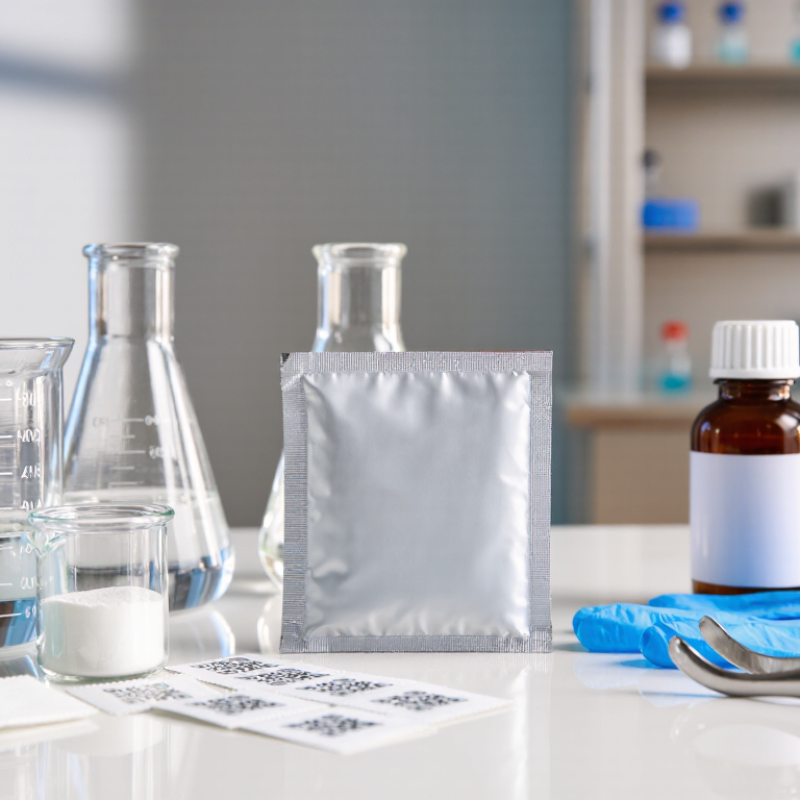
The best supplier also explains packaging, storage temperature, shelf life, and export documentation clearly. Small details matter. A sealed foil bag, desiccant protection, and traceable labeling can prevent avoidable quality problems during shipping. Independent laboratory testing remains sensible for commercial orders, especially when claims involve skin brightening or sensitive consumer groups. No supplier should promise universal results. Experienced buyers compare technical evidence, communication quality, and long-term consistency before choosing a partner.
What Is Cosmetic-Grade Beta Arbutin Powder?
Cosmetic-grade beta arbutin is a refined powder used in skincare formulas for uneven-looking skin tone. It is a naturally inspired glycoside related to hydroquinone, but it is chemically different. In products, beta arbutin helps reduce the appearance of excess melanin formation by influencing tyrosinase activity. The result is gradual, not instant.
Quality begins with identity and purity testing. A reliable supplier should provide a certificate of analysis, batch number, assay result, moisture level, and microbiological data. Heavy-metal limits also matter. The powder should appear white to nearly white, with a fine texture and little odor. Appearance alone proves very little. I have seen bright powders that still required deeper testing.
Beta arbutin is water-soluble, so formulators often dissolve it during the water phase. Excess heat, unsuitable pH, and prolonged light exposure may affect stability. Opaque packaging and controlled storage are practical safeguards. A small laboratory trial can reveal cloudiness, discoloration, or incompatibility before production. Do not rely only on a supplier’s sales description. Review technical documents, test a retained sample, and confirm performance in the finished formula. Usage levels should follow qualified formulation guidance and applicable cosmetic regulations. Skin sensitivity can vary, even with carefully selected ingredients. Some testing decisions remain imperfect, and results may differ between formulas.
| Data Dimension | Verified Product Information | Why It Matters for Cosmetic Formulation |
|---|---|---|
| Ingredient Name | Beta-Arbutin | Beta-arbutin is a cosmetic skin-conditioning ingredient commonly used in brightening and tone-evening formulations. |
| INCI Name | Arbutin | The INCI name is used for ingredient declarations on cosmetic product labels in many markets. |
| Chemical Name | 4-Hydroxyphenyl beta-D-glucopyranoside | The chemical name identifies the molecular structure of the beta-linked glucoside form of hydroquinone. |
| CAS Number | 497-76-7 | CAS identification helps buyers, formulators, and laboratories distinguish beta-arbutin from other arbutin-related materials. |
| Molecular Formula | C12H16O7 | The molecular formula is useful for raw-material identification, analytical testing, and regulatory documentation. |
| Molecular Weight | 272.25 g/mol | Molecular weight supports formula calculations and assists with laboratory analysis and concentration conversion. |
| Physical Form | White to off-white crystalline powder | A uniform powder appearance is generally expected for a cosmetic raw material, while unusual discoloration may require investigation. |
| Solubility | Soluble in water; solubility is affected by temperature and formulation conditions | It is commonly incorporated into the water phase of serums, lotions, creams, masks, and other aqueous cosmetic products. |
| Primary Cosmetic Function | Skin conditioning and skin tone-evening support | It is selected for formulas designed to improve the appearance of uneven skin tone and dull-looking skin. |
| Typical Formulation Range | Often used at approximately 0.5% to 2.0%, subject to local regulations, product type, and stability testing | The appropriate level must be determined through safety assessment, efficacy evaluation, compatibility testing, and applicable legal requirements. |
| Recommended Processing | Add to the water phase and dissolve thoroughly; avoid unnecessary prolonged exposure to high heat | Controlled processing helps reduce the risk of discoloration, precipitation, and loss of formula quality. |
| pH Consideration | Use within the stability range established by the finished formulation | Formula pH can influence ingredient stability, preservative performance, skin compatibility, and the appearance of the final product. |
| Quality Documents to Request | Certificate of Analysis, Safety Data Sheet, specification sheet, microbiological results, and residual-solvent or heavy-metal data where applicable | Documentation supports incoming-material approval, quality control, traceability, and regulatory review. |
| Key Quality Tests | Identification, assay, appearance, loss on drying or moisture, residue on ignition, heavy metals, and microbiological quality | Testing confirms identity, purity, consistency, and suitability for use in cosmetic manufacturing. |
| Packaging Requirements | Use a tightly sealed, moisture-resistant container with a suitable inner liner | Appropriate packaging helps protect the powder from moisture, contamination, and unnecessary exposure to light and air. |
| Storage Conditions | Store in a cool, dry, well-ventilated place, protected from direct sunlight and moisture | Correct storage helps maintain powder quality throughout the stated shelf life. |
| Shelf-Life Control | Follow the supplier’s validated expiry date and retest period; verify the current Certificate of Analysis before use | Batch-specific verification is more reliable than assuming a universal shelf life for every production lot. |
| Supplier Evaluation Criteria | Batch consistency, transparent specifications, traceability, testing capability, packaging integrity, documentation, and regulatory support | A qualified raw-material supplier should provide evidence that the material is consistent and suitable for the intended cosmetic application. |
| Regulatory Note | Permitted concentration, labeling rules, and product claims vary by country or region | Finished products must be reviewed against the current cosmetic regulations and claim requirements in every target market. |
Purchasing Note: The specifications above are general technical reference information. Actual acceptance criteria should be confirmed against the batch-specific specification, Certificate of Analysis, safety assessment, and regulations applicable to the intended market.