How to Choose the Best Hair Care Products for Your Hair Type?
Choosing the right hair care products is essential for maintaining healthy hair. According to Dr. Sarah Johnson, a renowned hair care expert, “Finding the right products for your hair makes all the difference.” However, many people feel overwhelmed by the options available on the market.
Hair care products can vary widely based on hair type. For instance, curly hair often requires more moisture than straight hair. Picking the wrong shampoo or conditioner can lead to dry, damaged strands. It's crucial to identify your specific needs before shopping.
Many individuals also mistakenly assume that expensive products are always better. Sometimes, drugstore brands work just as well. This can lead to unnecessary spending and disappointment. It’s a process that requires some trial and error, and that's completely okay. Embrace the journey of finding what truly works for your hair.
Understanding Different Hair Types and Their Unique Needs
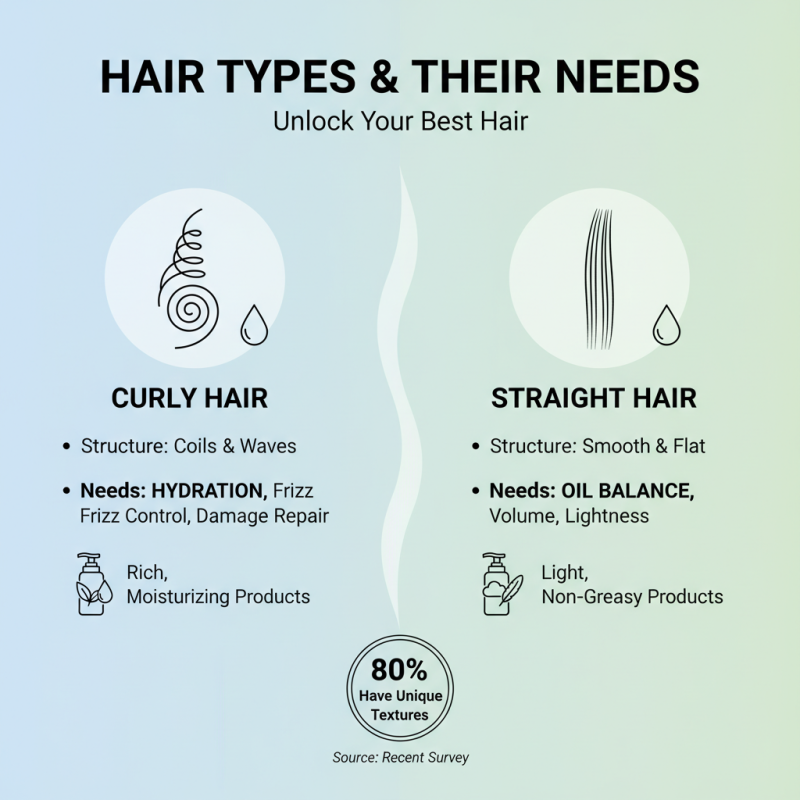
Understanding different hair types is crucial for selecting effective hair care products. According to a recent survey, around 80% of individuals experience varying hair textures and concerns. Each hair type has unique needs, such as moisture retention or damage repair. For instance, curly hair often requires more hydration due to its structure. On the other hand, straight hair may become oily quickly, needing lighter products.
Fine hair can be particularly challenging. It often lacks volume and can be weighed down by heavy conditioners. Research shows that about 40% of people with fine hair dislike how certain products make their hair look flat. Avoiding overly rich formulas can help maintain bounce and fullness. Meanwhile, coarse hair typically craves oils and creams for softness.
However, many people overlook their individual needs. A common mistake is using products meant for another hair type. For example, thick hair users might apply light products, leading to dryness. A tailored approach is essential. Experimentation may be required to find what works best. Embrace the learning process to truly understand your hair's needs and improve your routine.
Key Ingredients in Hair Care Products for Various Hair Types
When choosing hair care products, understanding the key ingredients for your specific hair type is crucial.
For dry hair, look for ingredients like argan oil and shea butter.
These nourish and hydrate, helping to combat dryness. You may notice more shine and softness with consistent use.
On the other hand, for oily hair, products with tea tree oil or salicylic acid can work wonders.
They cleanse excess oil without over-drying the scalp, but be cautious not to use them too often.
For fine hair, avoid heavy oils. Instead, opt for lightweight ingredients like jojoba oil or aloe vera.
They provide moisture without weighing hair down. Heavy products may lead to limp hair, which is frustrating.
Curly hair often thrives on products rich in coconut oil or glycerin.
These ingredients enhance definition and reduce frizz. However, it might take time to find the right balance, as too much product can make curls feel greasy.
Tips:
Test new products slowly. Use them one at a time. This helps identify what works and what doesn’t. Pay attention to your hair’s reactions.
If a product feels wrong, don’t hesitate to change it. Embrace the journey of discovering what truly suits your hair.
Identifying Your Hair Type: Tools and Techniques for Accurate Assessment
Identifying your hair type is a crucial step in choosing the right hair care products. Start by examining your hair's texture. Is it straight, wavy, curly, or coily? Each type requires specific care. For example, wavy hair often needs lightweight products to avoid heaviness. Curly hair thrives on moisture-rich formulas.
You can also assess your hair's porosity. Take a few strands and place them in a glass of water. If they sink quickly, your hair is likely high porosity, suggesting it absorbs moisture easily but may lose it just as fast. If the strands float, you may have low porosity hair, which often resists moisture. Understanding this will help guide your product choices.
Tips: Pay attention to how your hair reacts to different products. Sometimes, a product may promise great results but doesn't work for your specific type. Test with small amounts. Also, don’t hesitate to switch it up if your hair changes with seasons or treatments. It’s all about finding what feels right.
Selecting Products: Balancing Functionality and Hair Health
Selecting the right hair care products can be daunting. It often feels overwhelming. The key is understanding your hair type and its unique needs. Different textures absorb products differently. For instance, curly hair thrives on moisture while straight hair may require lightweight formulas.
Tips: Always opt for sulfate-free shampoos. They are gentler and help retain natural oils. When choosing conditioners, look for those rich in natural oils. These can deeply nourish and soften your hair. Pay attention to how your hair reacts after a few uses. If it feels weighed down, it might be time to reassess your choices.
Assessing product functionality versus hair health is essential. Some products might promise shine but contain harmful ingredients. Always read labels. It’s important to reflect on your hair's response to products. Sometimes, less is more. A simple routine can often yield better results than a complex one filled with multiple products. Finding the right balance takes time and patience.
Hair Care Product Selection by Functionality
This bar chart illustrates the effectiveness ratings of various hair care product functionalities based on consumer feedback. The ratings are on a scale from 1 to 10, helping users identify the most suitable products for their specific hair needs.
Reading Labels: Decoding Hair Care Product Ingredients Effectively
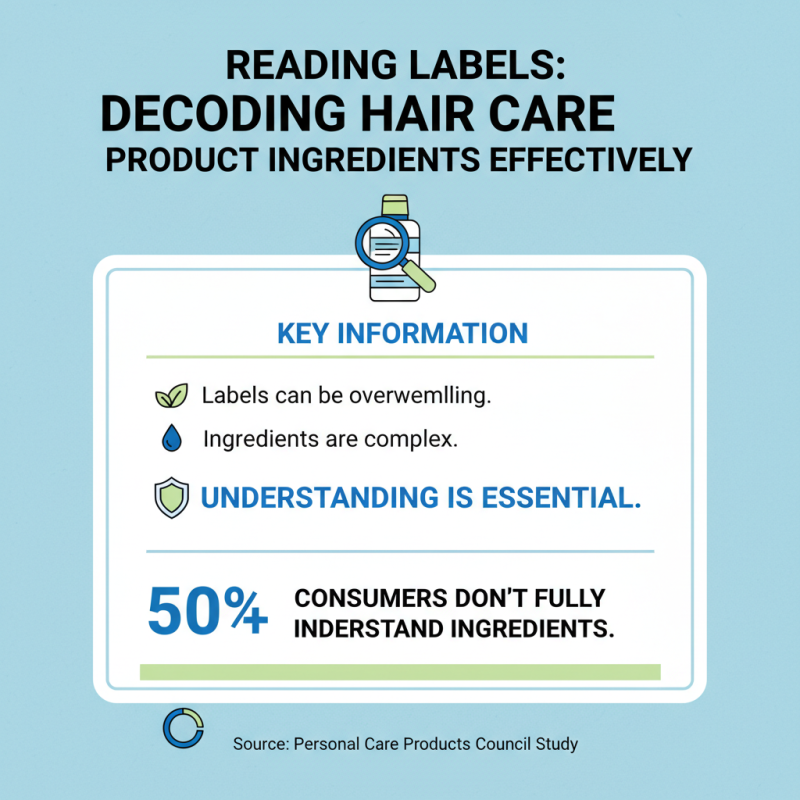
Decoding hair care product labels can feel overwhelming. Ingredients are often listed in complex terms. Understanding these labels is essential. A study by the Personal Care Products Council revealed that over 50% of consumers do not fully understand product ingredients.
When examining labels, focus on the first five ingredients. These are typically the most prominent. For instance, sulfates are common surfactants. They can strip natural oils, leading to dryness for some hair types. Parabens, used as preservatives, may cause irritation. According to the Journal of Cosmetic Science, a significant number of people react to harsh chemicals.
Another aspect to consider is fragrance. While pleasing scents enhance the experience, they can introduce allergens. Look for terms like “fragrance-free” or “unscented” if you have sensitive skin. It's intriguing yet concerning; many consumers overlook this detail. Also, consider natural ingredients like aloe vera or coconut oil. They provide moisture and nourishment. However, some may experience buildup. So, balance is key. Knowing your hair is crucial. Not all products will suit you perfectly.