How to Source Natural Active Ingredients for Your Business?
The demand for Natural Active Ingredients (NAIs) is on the rise. A recent report by Grand View Research highlights that the global natural ingredients market is projected to reach $118.5 billion by 2027, with a significant portion attributed to personal care and cosmetics. As consumers increasingly seek cleaner, safer products, businesses must adapt or risk losing market share.
Sourcing high-quality NAIs can be challenging. Companies need to navigate a complex network of suppliers, ensuring that the ingredients meet regulatory standards. Understanding the sourcing process is crucial. Research shows that companies with robust supply chain management are 50% more likely to succeed in integrating natural ingredients sustainably.
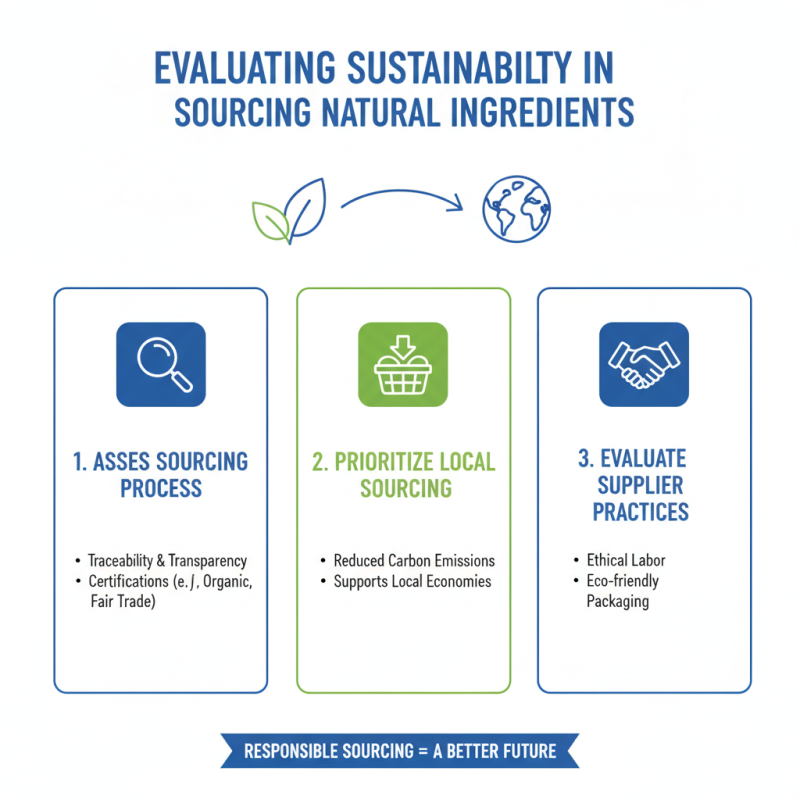
It's important to question current sourcing practices. Are they truly sustainable? Are suppliers transparent about their processes? Reflecting on these points can lead to better ingredient selection. Crafting a responsible sourcing strategy not only enhances product value but also builds consumer trust. As the industry evolves, integrating NAIs effectively is no longer optional; it's essential for success.

Understanding the Importance of Natural Active Ingredients in Business
In today’s market, natural active ingredients have become essential for many businesses. Consumers increasingly prefer products formulated with ingredients they can trust. These ingredients often provide better efficacy and are perceived as safer than synthetic alternatives. Emphasizing the use of natural components can enhance your brand’s credibility. Customers feel a connection when they know the origins of what they use.
However, sourcing these ingredients is not always straightforward. You must navigate a complex web of suppliers, regulations, and quality standards. Building relationships with reputable suppliers is crucial. Research their practices to ensure they prioritize sustainability and ethical harvesting. Consider variations in ingredient quality, as not all sources offer the same potency or purity.
Listening to consumer feedback is vital. It helps identify what's important to your audience. Some may prioritize organic certifications, while others may focus on environmental impacts. Regularly assessing these preferences can inform your sourcing decisions. Balancing cost with quality is challenging, but it’s essential for longevity in the market. Reinventing your sourcing strategy periodically is beneficial. It ensures the ingredients you use remain relevant and meet consumer needs effectively.
Sourcing Natural Active Ingredients
This chart illustrates the growing demand for various natural active ingredients in diverse industries over the past few years. The data shows the percentage growth of these ingredients, reflecting the increasing importance of natural sources in product formulations.
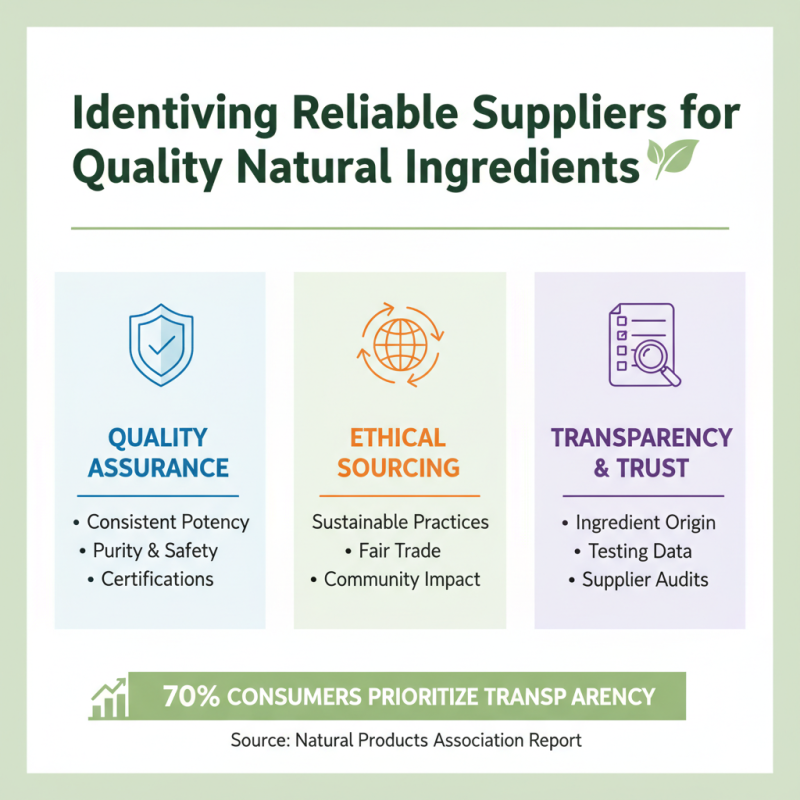
Identifying Reliable Suppliers for Quality Natural Ingredients
Sourcing natural active ingredients requires careful supplier selection. Reliable suppliers ensure quality, consistency, and ethical sourcing. According to a recent report by the Natural Products Association, 70% of consumers prioritize ingredient transparency. This trend underscores the necessity for businesses to partner with trusted suppliers.
Building relationships with suppliers is essential. Start by evaluating their certifications. Look for organic, non-GMO, and sustainability certifications. A high level of transparency from suppliers reflects their commitment to quality. Engage in discussions about sourcing practices to gauge their expertise. Providers who share their production methods are often more trustworthy.
Tips: Visit supplier facilities when possible. This allows you to inspect the conditions under which ingredients are produced. Additionally, request samples to evaluate the quality firsthand. Establishing a mutually beneficial relationship can lead to long-term partnerships. The right supplier will support your business with quality ingredients that align with consumer values.
Compliance with Regulatory Standards for Natural Active Ingredients
Sourcing natural active ingredients requires strict compliance with regulatory standards. This compliance is crucial for ensuring safety and efficacy. According to a report by the European Commission, around 70% of natural products fail regulatory assessments due to improper documentation.
Understanding the regulations in your region is vital. For example, in Europe, the EU Cosmetics Regulation governs the use of natural ingredients. It mandates ingredient safety assessments and clear labeling. Non-compliance can lead to product recalls and legal penalties. Therefore, businesses must invest time in understanding these regulations.
Moreover, companies often overlook the importance of traceability and transparency. A survey from the Natural Products Association revealed that 55% of consumers prioritize transparency in ingredient sourcing. Ensuring your supply chain meets these expectations adds value. Yet, many businesses still struggle with maintaining consistent compliance. Seeking expert guidance can help navigate these complexities.
Cost Analysis: Balancing Quality and Price in Ingredient Sourcing
Sourcing natural active ingredients for your business requires careful consideration of quality and price. One key aspect is finding suppliers who meet your standards. Engaging with multiple suppliers can provide insights into their pricing models. It’s beneficial to review their production processes and sustainability practices. This knowledge aids in making informed decisions.
Cost analysis plays a critical role in ingredient sourcing. You may often compare suppliers on a spreadsheet, but look beyond numbers. Quality assurance is essential. Cheaper ingredients may compromise product efficacy. Balancing price with quality can be challenging. Some suppliers might offer lower prices, yet their products lack necessary certifications. This adds risk to your business.
Investing time in supplier relationships can pay off. Frequent communication helps clarify your expectations. Don’t hesitate to ask about their ingredient sourcing practices. Assessing samples against industry standards is crucial. Sometimes, focusing on premium ingredients yields better long-term results. Don't overlook testing feedback to refine your choices. This proactive approach will guide you towards sustainable and cost-effective sourcing.
How to Source Natural Active Ingredients for Your Business? - Cost Analysis: Balancing Quality and Price in Ingredient Sourcing
| Ingredient |
Source |
Quality Rating (1-5) |
Cost per kg (USD) |
Availability (in stock) |
| Aloe Vera Extract |
Organic Farms |
4 |
25.50 |
Yes |
| Green Tea Extract |
China |
5 |
18.75 |
Limited |
| Coconut Oil |
Philippines |
3 |
5.20 |
Yes |
| Shea Butter |
West Africa |
4 |
15.00 |
Yes |
| Argan Oil |
Morocco |
4 |
30.00 |
Moderate |