7 Tips for Buying Natural Deoxyarbutin Powder
Buying Natural Deoxyarbutin Powder requires more than comparing prices and attractive product photographs. The word “natural” can describe a marketing position, not a verified botanical origin. Buyers should examine the source, manufacturing process, purity, and intended cosmetic application before placing an order.
Cosmetic chemist Perry Romanowski offers a useful principle: “The quality of a cosmetic ingredient depends on its specifications, testing, and consistent performance.” This idea matters when evaluating Natural Deoxyarbutin Powder. A dependable supplier should provide a current certificate of analysis, batch number, testing methods, and clear storage guidance. Look for details such as assay results, moisture content, heavy-metal limits, microbial testing, and packaging conditions.
Small details reveal a lot.
A sealed, light-resistant container is more reassuring than a plain plastic bag. The powder should have a consistent appearance, with no unusual odor, damp clumps, or visible contamination. Ask whether the supplier can provide stability information and confirm compatibility with your formulation. A low price may indicate efficiency, but it may also reflect incomplete testing or weak documentation.
The following seven tips focus on practical purchasing decisions, supplier transparency, and formulation safety. They also question a common assumption: natural sourcing does not automatically guarantee better quality. I have seen how rushed purchasing creates expensive reformulation work later. Careful verification feels slower, but it protects product consistency, consumer trust, and long-term business credibility.
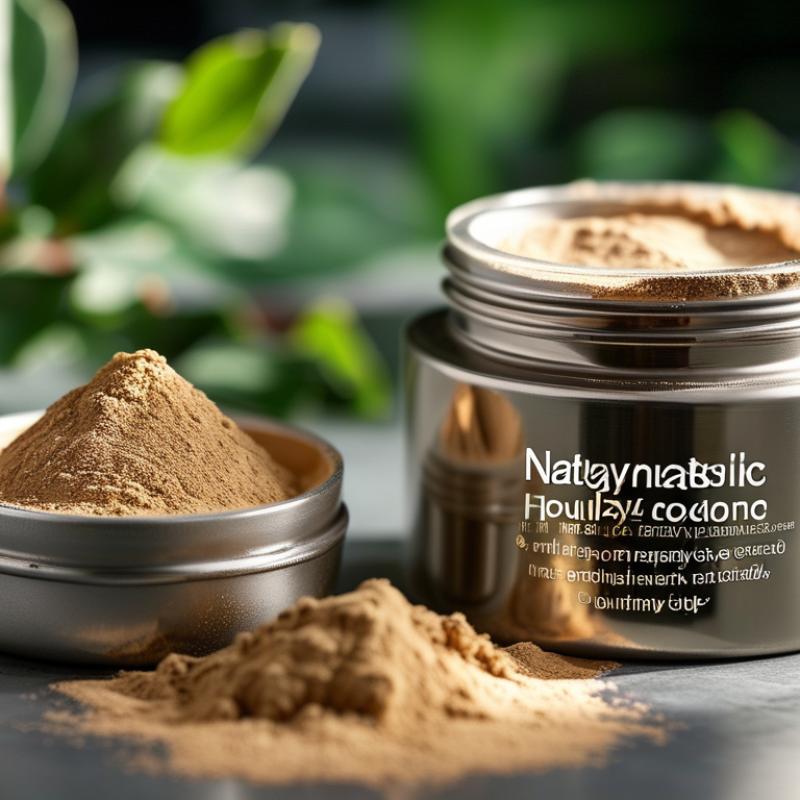
Understanding Natural Deoxyarbutin Powder and Its Uses
7 Tips for Buying Natural Deoxyarbutin Powder
Understanding Natural Deoxyarbutin Powder and Its Uses
Natural deoxyarbutin powder is discussed as a cosmetic brightening ingredient. However, the word “natural” needs careful checking. Deoxyarbutin may involve laboratory processing, so ask about its raw materials and manufacturing method. A clear product specification should state identity, purity, appearance, moisture, and recommended storage conditions. Small details matter.
When buying, request a current certificate of analysis and independent testing records. Check whether the documents match the batch number on the package. Useful tests may include identity confirmation, heavy metal screening, microbial limits, and residual solvent analysis. I have learned that a clean-looking powder proves very little. Reliable paperwork matters more than attractive packaging.
In formulations, this powder may appear in creams, serums, or lotions designed to improve uneven-looking skin tone. Laboratory findings can support ingredient research, but they do not guarantee the same result on every person. Use the supplier’s stated concentration and assess compatibility with the full formula. Protect the powder from heat, moisture, and direct light. A small patch test is sensible before broader cosmetic use. One point deserves reconsideration: cheaper material is not always better value. Missing test data can create higher costs later. Also verify local cosmetic rules, labeling duties, and safety requirements before purchase.
Comparing Deoxyarbutin Concentration and Product Specifications
When buying natural deoxyarbutin powder, concentration deserves more attention than a polished product label. A high assay percentage does not automatically mean better performance. It may also indicate fewer supporting specifications. Check the certificate of analysis for the tested assay, test method, batch number, and production date. HPLC results are more useful than vague phrases such as “high purity.” Ask whether the stated percentage refers to dry weight or the complete powder.
Read the full specification sheet carefully. Important details include moisture, ash, residual solvents, heavy metals, microbial limits, particle size, and storage temperature. “Natural” should describe the source and manufacturing process, not replace testing. A reliable supplier should explain the botanical or fermentation origin without hiding the chemical identity. The INCI name and recommended cosmetic use should also be clear.
Compare samples under the same conditions. Powder color, odor, flow, and clumping can reveal storage problems, although appearance cannot confirm purity. Very fine powder may disperse quickly, yet it can absorb moisture more easily. I used to focus too heavily on assay numbers. That was incomplete. Packaging matters too. Look for sealed, light-resistant containers with tamper evidence and traceable batch records. If a specification sheet lacks test limits or an expiration date, pause before purchasing. Ask for an updated report. Small details often expose weak quality control.
Choosing a Reliable Supplier and Buying Quantity Wisely
7 Tips for Buying Natural Deoxyarbutin Powder
Choosing a Reliable Supplier and Buying Quantity Wisely
A reliable supplier should explain what “natural” means for its deoxyarbutin powder. Ask about the raw material source, production method, and purity standard. A clear specification sheet should list appearance, assay, moisture, heavy metals, and microbial limits. Ask for evidence. Request a recent certificate of analysis linked to the exact batch. Independent laboratory testing adds confidence, especially when the powder will enter a cosmetic formula.
Check whether the supplier provides an SDS, traceability records, and suitable packaging details. The powder should arrive in a sealed, light-resistant container with a batch number and production date. Storage instructions matter because heat and humidity can affect quality. I have seen purchasing teams focus on price and overlook delivery conditions. That mistake can become expensive later. Verify communication speed, sample policies, and how the supplier handles quality complaints.
Buy according to tested demand, not optimistic forecasts. A small sample or pilot quantity can reveal solubility, color changes, and formulation behavior before a larger commitment. Compare the price per usable kilogram, not only the quoted unit price. Include shipping, testing, storage, and possible waste. Do not rush. A slightly higher cost may be reasonable when documentation and consistency are stronger. Still, no supplier is flawless, so keep retained samples and review each batch before production.
7 Tips for Buying Natural Deoxyarbutin Powder
Choosing a reliable supplier and buying quantity wisely
Planning example: based on a monthly usage of 25 kg and a 10% safety buffer. The recommended order quantity is calculated as: monthly usage × coverage months × 1.10. Actual quantities should be adjusted according to shelf life, storage conditions, minimum order quantity, and lead time.
Seven Practical Buying Tips
- Confirm the correct ingredient identity, INCI name, and product specification before purchasing.
- Request a batch-specific Certificate of Analysis showing assay, appearance, moisture, and other quality results.
- Check testing for heavy metals, residual solvents, and microbiological limits when relevant to your application.
- Ask for a recent sample and compare it with the agreed specification before placing a large order.
- Review packaging, storage conditions, production date, retest date, and remaining shelf life.
- Evaluate supplier traceability, quality documentation, communication, and complaint-handling procedures.
- Choose an order quantity that matches realistic consumption instead of buying more than the usable shelf life allows.