
China’s gelatin industry serves food, pharmaceutical, cosmetic, and technical manufacturers worldwide. For global buyers, choosing a supplier involves more than comparing prices. Gelatin Powder can vary in bloom strength, viscosity, particle size, color, and dissolution behavior. Those differences affect everything from gummy texture to capsule performance. Small specifications matter.
A useful supplier review starts with clear product data. Buyers can compare animal source, processing details, available grades, and batch-to-batch consistency. Ask for current certificates of analysis, safety data, and relevant quality-system documentation. Check whether test results match the intended application, rather than relying on a brochure alone. Request samples. Then test them under your own production conditions, including mixing temperature and setting time. A sample that works in a beaker may behave differently on a busy production line.
This guide introduces China-based suppliers and the practical questions global buyers can use when assessing them. It considers product range, technical support, packaging options, communication, and export readiness. These factors can shape a purchasing decision as much as quoted cost. Supplier claims still need verification. A polished website is not proof of stable quality, and one successful order does not guarantee every future batch. Buyers should confirm specifications, documentation, lead times, and shipping arrangements directly before committing. Careful checks take time, but they can prevent costly surprises later.
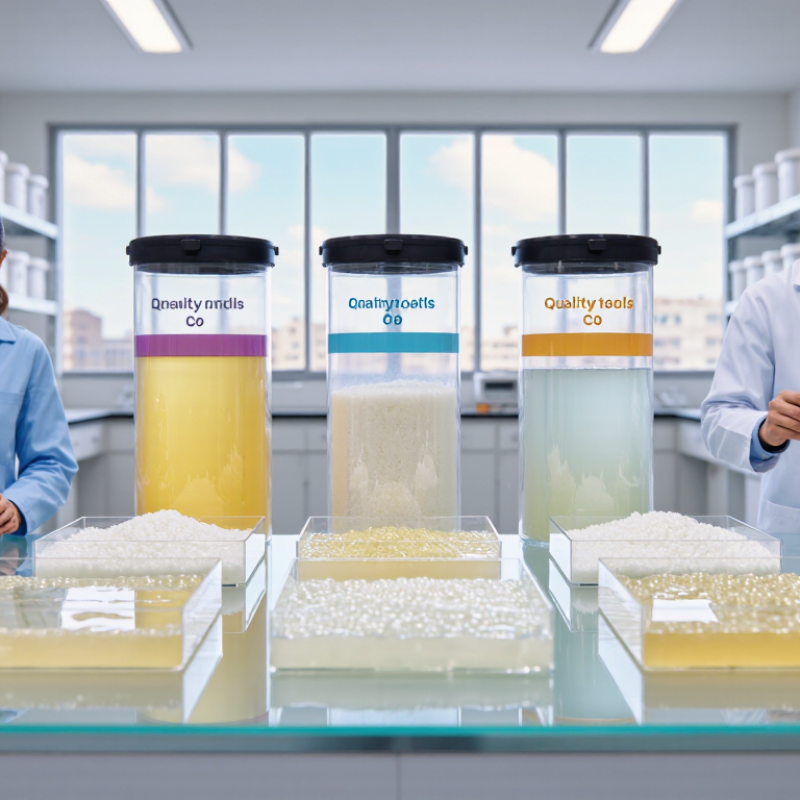
Gelatin powder is a purified protein made by processing collagen from animal connective tissues. In water, it hydrates and forms a flexible gel when cooled. Its strength is commonly measured by Bloom value; higher values generally create firmer gels at comparable concentrations. Hydrate the powder in cool water before warming it gently. Boiling can weaken the final texture. Small details matter. A dessert may set unevenly if the powder is added dry or mixed poorly.
Its applications span food, pharmaceuticals, and nutrition. In confectionery, gelatin gives gummies and marshmallows their springy bite. In yogurt and desserts, it helps stabilize texture; in processed foods, it can bind water and improve consistency. Pharmaceutical manufacturers use gelatin in capsules, while nutrition products may use it as a protein ingredient. Grand View Research estimated the global gelatin market at about USD 3.26 billion in 2023 and projected a 6.4% compound annual growth rate from 2024 to 2030. That growth reflects broad demand, but not every powder suits every recipe. Bloom strength, particle size, source, and dissolution behavior should be checked against the intended process. I would not treat “food grade” alone as a performance guarantee.
China’s gelatin supply chain links raw-material collection, extraction, finishing, and export. Producers source collagen-rich animal tissues from slaughter and fish-processing streams, then wash, treat, extract, filter, and dry them into powder. The chain is not perfectly transparent: source species and processing conditions can vary between lots. That matters. Bloom strength, viscosity, ash, moisture, and particle size affect how powder performs in a clear dessert, capsule, or confectionery line.
China’s suppliers range from integrated processors to trading companies that coordinate production and export. Buyers should distinguish manufacturing capacity from brokerage, and request batch-specific specifications and test results. Grand View Research estimated the global gelatin market at about US$3.2 billion in 2023; its market estimate signals broad demand, but does not measure China’s output alone. UN Comtrade’s HS 350300 category covers gelatin and derivatives, so trade totals under that code should not be treated as gelatin powder volumes.
Tips: Ask for the animal source, Bloom value, mesh size, and a recent certificate of analysis. Compare samples under your actual mixing temperature and hydration time. A paper specification is useful, but it can miss small lot-to-lot differences.
Typical commercial product tiers by Bloom strength
Gelatin suppliers commonly organize product offerings around Bloom strength, alongside specifications such as viscosity, source material, and intended use. These bands are indicative commercial groupings—not market-share data or a universal standard; exact grade boundaries vary by supplier and buyer specification.
Comparing Chinese gelatin powder suppliers starts with a clear product specification. Record the source material, Bloom strength, viscosity, mesh size, moisture, and intended application. Small differences can affect setting time or performance in a finished product. Details matter. Ask each supplier for a current technical data sheet and a batch-specific certificate of analysis, not just a generic sample report.
Check how quality is maintained between batches. Ask about in-process testing, traceability, and how the supplier handles a result outside the agreed range. Review sample results against your own requirements, and keep the test method consistent. A polished PDF is not proof by itself. If possible, compare samples from more than one production lot; one sample may not reflect routine output.
Compare practical service as carefully as price. Confirm production lead times, packaging details, storage guidance, and how quickly technical questions receive clear answers. Request details about moisture-resistant inner liners and pallet protection if the powder will travel a long distance. Communication can reveal gaps, though it is not a quality test. Even a careful scorecard can miss something, so document assumptions and revisit them after a trial order.
Global buyers should verify a gelatin powder supplier through records, samples, and direct questions—not polished claims alone. Request a recent certificate of analysis tied to a specific production lot. Check Bloom strength, viscosity, moisture, ash, and microbiological results against your intended application. Ask for the lot.
Confirm that testing methods and limits are clearly stated. Where relevant, verify food-safety, halal, or kosher certificates with the issuing organization, and check their scope and expiry dates. A PDF alone proves little. Ask how raw materials are traced, how batches are identified, and whether the supplier can provide change-control records. If answers stay vague, treat that as a real quality signal.
Before placing a large order, compare a production sample with the specification and retain your own test results. Review packaging details, storage guidance, and the supplier’s process for handling complaints or out-of-specification batches. A factory visit or independent audit can reveal practical controls that documents miss. Still, one successful sample cannot guarantee every shipment; that assumption is easy to make and worth questioning.
A practical due-diligence checklist for evaluating gelatin powder suppliers in China. Use the stated product specification and destination-market requirements as the basis for acceptance; requirements can vary by application and country.
| Verification Dimension | Evidence to Request | How to Verify | Buyer Review Point |
|---|---|---|---|
| Product identity and source | Product specification stating gelatin type, animal species, source material, grade, and intended application. | Compare the specification, label, certificate of analysis (COA), and purchase contract. Request written confirmation of any source or processing changes. | Confirm that the stated source and grade meet the requirements of the intended food, pharmaceutical, photographic, or technical use. |
| Bloom strength and viscosity | Lot-specific test results and the agreed specification, including test methods and units. | Check that results are reported against a defined method and match the product specification. If critical, test a representative sample through a qualified laboratory. | Bloom strength and viscosity affect performance, but acceptable ranges depend on the application. Do not compare results without checking test conditions and methods. |
| Core physical and chemical properties | COA results for applicable parameters such as moisture, ash, pH, and particle size, with specified limits and methods. | Check that each result is tied to the relevant production lot and that the method and units are stated. Compare results with the agreed specification. | Limits are product- and application-specific. Agree on the required parameters and acceptance limits before placing an order. |
| Microbiological and contaminant controls | COA or laboratory report for the microbiological and chemical contaminants required by the product specification and destination market. | Confirm the sample or lot identification, test date, methods, laboratory details, and applicable limits. Independently test higher-risk or first orders where appropriate. | Testing panels and legal limits vary by jurisdiction and intended use; a generic report may not cover the buyer’s requirements. |
| Food-safety management | Current food-safety management certificate, where applicable, plus the certified site and scope. | Verify the certificate number, validity, issuing or certification body, site address, and scope directly with the issuer or its official verification service. | A certificate applies only within its stated scope and locations. Check that the site producing or handling the supplied product is covered. |
| Halal or kosher requirements | Current certificate from the relevant certification organization, if required for the buyer’s market or product. | Verify certificate validity, product coverage, production site, and any source or process conditions with the issuing organization. | Do not assume that a certificate covers every product, site, or shipment. Confirm the buyer’s acceptance requirements in advance. |
| Regulatory and export documentation | Documents applicable to the product and destination, such as product declarations, origin information, and required shipment or health documents. | Confirm document requirements with the destination-country authority, customs broker, or importer. Check that product descriptions and shipment details are consistent across documents. | Required documents depend on the destination, product classification, and intended use. A document issued for one market may not satisfy another. |
| Supplier legal identity | Current Chinese business registration information and the legal entity name shown on the quotation, contract, invoice, and bank account. | Check the registration details through China’s National Enterprise Credit Information Publicity System and reconcile the registered entity with transaction documents. | Resolve differences between the contracting entity, manufacturer, exporter, and payment beneficiary before sending funds. |
| Manufacturer or trading-company status | Written disclosure of the supplier’s role, manufacturing-site details, and—if relevant—authorization to export or act as an agent. | Ask for a live or third-party site audit, production evidence, or verifiable manufacturer authorization. Confirm which entity is responsible for quality and traceability. | A trading company is not automatically unsuitable, but the actual manufacturer and production site should be identified and documented. |
| Lot traceability and recall readiness | Lot coding, batch records or traceability procedure, and a sample traceability or recall exercise where available. | Ask the supplier to demonstrate how a finished lot can be linked to production and dispatch records and how affected shipments would be identified. | Confirm that lot numbers appear consistently on product packaging, COAs, and shipping documents. |
| Packaging and storage | Packaging specification, food-contact documentation where relevant, storage conditions, and shelf-life information. | Check packaging integrity and labeling on a pre-shipment sample or during inspection. Compare stated conditions with the buyer’s transport and warehouse plan. | Agree on pack size, liner or barrier requirements, storage conditions, and remaining shelf life at delivery. |
| Pre-shipment sample and inspection | Representative sample from the intended production lot and an agreed inspection or sampling plan. | Retain a sealed reference sample and use an independent inspection or laboratory service when risk, order value, or customer requirements justify it. | Define sampling, testing, acceptance, and dispute procedures in writing before production or shipment. |
Note: This checklist is for supplier evaluation and does not certify or rank any particular supplier. Confirm current legal, technical, and certification requirements for the specific product and destination market.
Global buyers evaluating gelatin powder suppliers should treat logistics as part of product quality, not an afterthought. Gelatin absorbs moisture, so inner liners, sealed cartons, and clean, dry containers matter during long routes. Ask suppliers to confirm packaging format, pallet dimensions, lot coding, and shelf life at dispatch. Small details matter.
Export paperwork should match the shipment exactly. Request a commercial invoice, packing list, certificate of analysis, and origin or health documents where the destination requires them. Requirements vary by market and product source, so have a customs broker check current import rules before booking. A mismatch in lot numbers or declared net weight can hold cargo at a port. Not always.
Agree on delivery terms, insurance responsibility, and who pays for inspection or storage before signing. For sea freight, confirm realistic transit times and keep buffer stock when production schedules are tight. For air freight, weigh urgency against cost and carton handling limits. Keep a sealed reference sample from each lot, then compare it with the delivered powder for color, odor, and flow. That step is often skipped.
