Top 10 Personal Care Ingredients You Should Know About?
In the world of personal care, selecting the right products is crucial. Personal care ingredients can significantly impact your skin, hair, and overall well-being. Understanding what goes into the formulas we use daily is essential for making informed choices.
This journey starts with a closer look at the top personal care ingredients that deserve your attention. These ingredients play various roles, from moisturizing and nourishing to protecting and rejuvenating. Yet, not all ingredients are created equal. Some may cause adverse reactions, underscoring the importance of understanding their effects.
When choosing personal care products, it's vital to prioritize those with proven, beneficial ingredients. The best products often include a blend of science and nature. However, navigating this landscape can be complex. Being aware of both the benefits and potential drawbacks can guide your decisions.
Understanding the Importance of Personal Care Ingredients
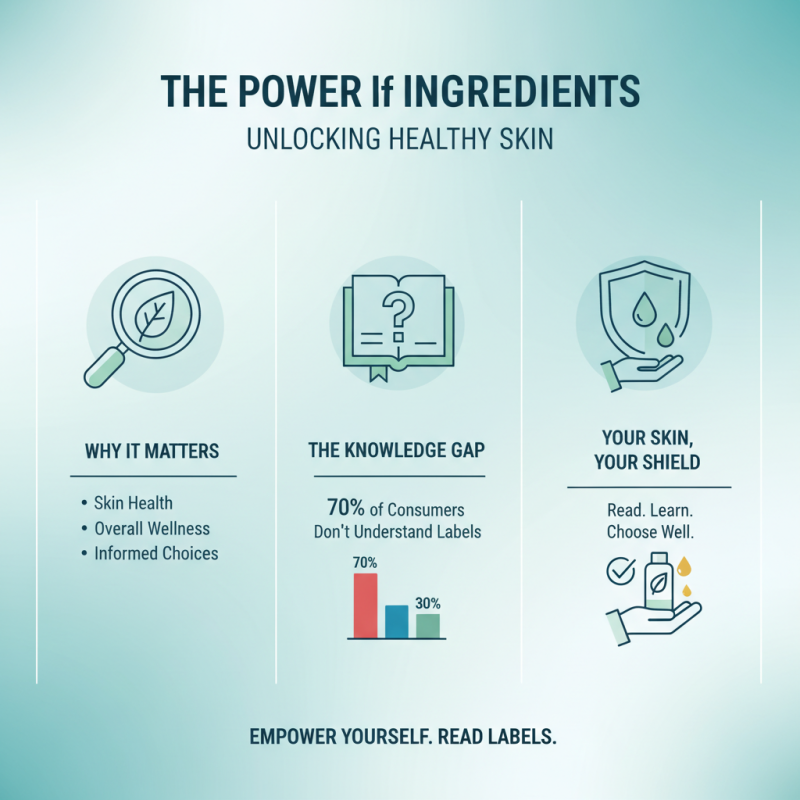
Understanding personal care ingredients is crucial for maintaining skin health. Many people overlook the significance of what goes into their body care products. A recent study indicated that nearly 70% of consumers do not understand ingredient labels. This gap in knowledge can lead to poor choices affecting skin and overall health.
Key ingredients, such as hyaluronic acid and niacinamide, offer notable benefits. Hyaluronic acid can retain up to 1,000 times its weight in water, making it an exceptional moisturizer. Niacinamide enhances the skin's barrier function, leading to improved hydration and reduced redness. However, not every ingredient suits everyone. Some individuals may experience irritation or allergies, emphasizing the need for personalized care.
Research shows that 30% of users report adverse reactions to common skincare ingredients. Ingredients like sulfates and parabens often come under scrutiny, raising concerns among health experts. Consumers must consider their unique skin types and health conditions. Keeping informed about ingredient safety is essential for informed decisions in personal care.
Key Categories of Personal Care Ingredients Explained
When exploring personal care products, understanding key ingredient categories can be enlightening. Moisturizers often contain humectants, which attract moisture from the environment. Common examples include glycerin and hyaluronic acid. They help keep your skin hydrated and plump. Emollients smooth the skin's surface, providing that soft, supple feel. These can be oils or butters that soothe and condition.
Another essential category is surfactants, found in cleansers. They help mix oil and water, allowing dirt and impurities to wash away. While effective, some surfactants can be harsh. Look for gentle options if you have sensitive skin. Antioxidants, like vitamin C and E, protect the skin from free radicals. They are crucial for maintaining youthful skin. Yet, their concentration and stability can vary widely across products, which is worth noting.
Preservatives are also vital in personal care items. They prevent microbial growth, extending product shelf life. While necessary, some preservatives can cause irritation. Always check the ingredient list. Even popular ingredients have their downsides. What works for one may not work for all. Engaging with your skin's needs is a continuous process. Understanding these categories fosters smarter choices.
Top 10 Personal Care Ingredients You Should Know About
Top 10 Essential Ingredients and Their Benefits
When it comes to personal care, understanding the essential ingredients can enhance your skincare routine. For instance, hyaluronic acid is a popular ingredient known for its incredible ability to retain moisture. It helps plump the skin and reduce the appearance of fine lines. However, not everyone may respond well to it, leading to potential dryness in some cases.
Another key ingredient is vitamin C, celebrated for its antioxidant properties. It helps brighten the skin and even out skin tone. Users should note that vitamin C can sometimes cause irritation, particularly in sensitive skin types. It's crucial to patch-test new products that contain this potent vitamin.
Retinol is another notable ingredient. It promotes cell turnover, which can improve skin texture and tone. Although effective, it may lead to initial peeling and redness, signaling the skin’s adjustment period. Understanding these ingredients can help you make informed choices, tailoring your skincare to your unique needs while being mindful of potential reactions.
Potential Risks and Allergies Associated with Certain Ingredients
When choosing personal care products, it’s essential to understand potential risks associated with certain ingredients. Many commonly used substances can cause allergic reactions for some individuals. For instance, fragrances are notorious for triggering sensitivities. They can lead to skin rashes, irritation, or even headaches. It's important to read labels carefully.
Another ingredient to consider is parabens, preservatives often found in cosmetics. While they help extend shelf life, some studies suggest a potential link to hormonal disruption. This has raised concerns, prompting many consumers to seek paraben-free options. Moreover, sulfates, commonly present in shampoos, can strip natural oils from the hair and scalp, leading to dryness and irritation.
It’s crucial to evaluate your own skin type and allergies. Even natural ingredients can pose risks. Essential oils, while often perceived as safe, can cause contact dermatitis in sensitive individuals. Always patch-test new products, especially those with complex ingredient lists. Awareness and caution are vital in navigating the landscape of personal care.
How to Choose Products with Safe and Effective Ingredients
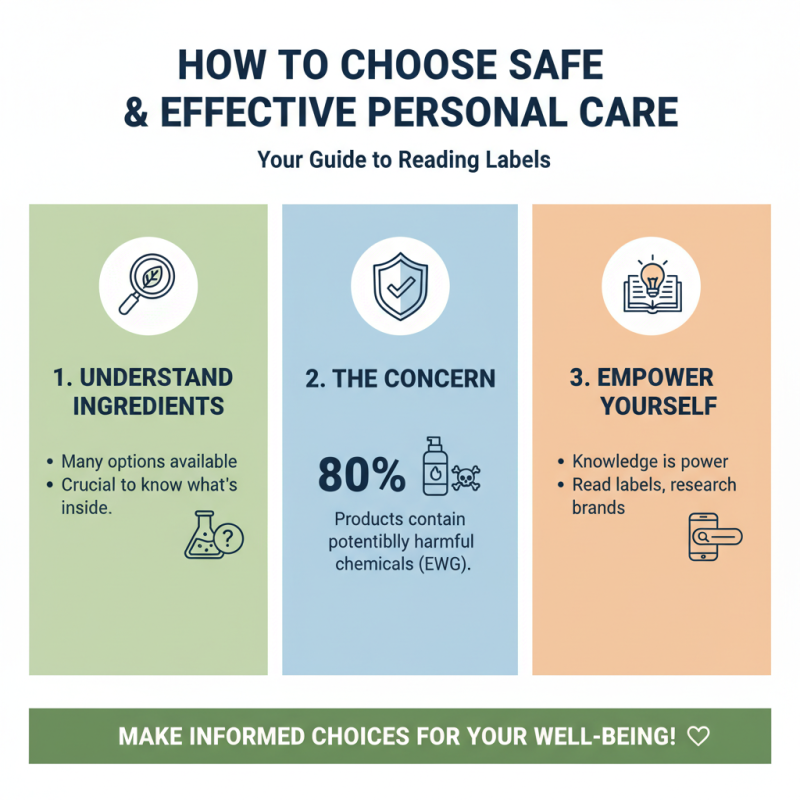
Choosing the right personal care products can be overwhelming. With many options available, understanding the ingredients is crucial. According to the Environmental Working Group (EWG), about 80% of personal care products contain potentially harmful chemicals. This makes knowledge about what’s in our products more important than ever.
When selecting products, look for those with natural ingredients. Ingredients like aloe vera and shea butter are beneficial for the skin. They provide hydration and nourishment without harmful additives. It's always best to read labels carefully. If a product has a long list of unrecognizable ingredients, it may be a red flag.
**Tip:** Focus on products labeled as “paraben-free” and “sulfate-free.” These chemicals are often associated with skin irritation. Research indicates that parabens can disrupt hormonal balance. Personal care products should enhance well-being, not compromise it.
**Tip:** Opt for brands that prioritize transparency in their formulations. Seek out companies that share ingredient sources and safety testing data. This practice builds trust and ensures that consumers make informed choices. Remember, your skin deserves the best.