The 2026 Best Photoprotection Science Products for Global Buyers guide examines how modern sun-protection products perform in real purchasing environments. Photoprotection Science now reaches beyond conventional sunscreen. It includes broad-spectrum filters, visible-light protection, infrared research, protective textiles, wearables, and evidence-based formulation design. Buyers need more than attractive packaging and impressive SPF numbers.
Professor Brian Diffey, a widely cited photobiologist, has warned: “Sunscreens are not designed to extend the time spent in the sun.” That principle still matters. A beach worker, a city commuter, and a child near a bright window face different exposure patterns. Sweat, water, clothing, skin tone, application amount, and reapplication habits can change practical protection. Laboratory performance is useful, but it is not the whole story.
This overview compares products through an expert-led E-E-A-T lens: published evidence, formulation transparency, manufacturing quality, usability, and responsible claims. It considers regional labeling differences and the needs of buyers across markets. No product replaces shade, suitable clothing, or sensible exposure management. That sounds obvious. It is often ignored.
Some rankings remain imperfect because long-term comparative data are limited. Consumer behavior is also difficult to measure consistently. A product may perform well under controlled testing yet fail in a humid workplace or during prolonged outdoor activity. This guide therefore treats photoprotection as a practical system, not a single bottle. Global buyers can use the findings to ask sharper questions, identify credible evidence, and avoid promises that science cannot yet support.
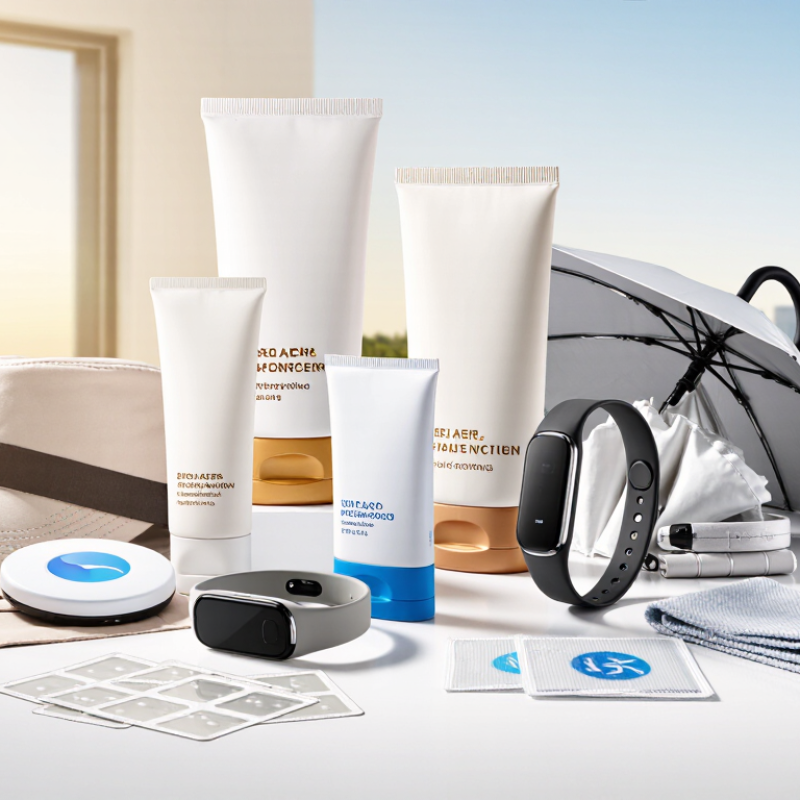
Photoprotection science examines how ultraviolet (UV), visible light, and infrared radiation affect skin and eyes. It combines photobiology, exposure measurement, formulation chemistry, and user behavior. The WHO’s 2024 UV-radiation fact sheet reports about 1.5 million non-melanoma skin cancers and more than 330,000 melanoma cases globally in 2022. These figures make photoprotection a health discipline, not merely a beauty category. Still, “broad spectrum” may carry different meanings across markets. Global buyers should verify test methods, protection factors, and local regulatory acceptance.
The product scope extends beyond lotion. Categories include organic and mineral UV filters, sprays, sticks, emulsions, after-sun care, protective clothing, window films, eyewear, and shade systems. ISO 24444 supports in-vivo SPF testing, while ISO 24443 helps assess UVA protection for relevant formulations. WHO recommends combining sunscreen with shade, clothing, and eyewear. A useful product brief should specify climate, water exposure, skin type, application quantity, and reapplication behavior.
Market demand is significant. Grand View Research valued the global sunscreen market at roughly US$11 billion in 2022 and forecasts continued growth through 2030. This estimate reflects commercial potential, not clinical performance. Oral photoprotective ingredients remain an adjunct, never a replacement for topical or physical protection. Real use is messier. Users under-apply, miss their ears, and trust high numbers too quickly. Evidence is uneven. Procurement teams should request independent testing, stability data, safety documentation, and claim support before purchase. Some gaps will remain.
| Product Category | Photoprotection Function | Typical Product Formats | Key Performance Indicators | Relevant Test or Regulatory Reference | Global Buyer Considerations |
|---|---|---|---|---|---|
| Broad-Spectrum Sunscreen | Helps reduce exposure to ultraviolet B and ultraviolet A radiation on exposed skin. | Lotions, creams, gels, fluids, sticks, sprays and emulsions. | SPF value, UVA protection, photostability, skin feel, application uniformity and packaging stability. | ISO 24444 for in vivo SPF testing; ISO 24443 for in vitro UVA characterization; regional sunscreen regulations. | Check permitted UV filters, claim language, labeling rules, local notification or registration requirements and language coverage. |
| Mineral UV-Filter Products | Uses particulate mineral filters that scatter, reflect and absorb portions of UV radiation. | Creams, lotions, tinted fluids, sticks and pediatric formulations. | Particle dispersion, visible whitening, UVA coverage, photostability, skin compatibility and rub-off resistance. | Applicable national cosmetic or drug monographs; ISO sunscreen testing methods where relevant. | Verify particle specifications, inhalation precautions for powders or sprays, nanomaterial disclosure rules and export documentation. |
| Organic UV-Filter Products | Uses carbon-based UV absorbers selected for targeted UVB, UVA or broad-spectrum performance. | Light emulsions, water gels, makeup bases, sprays and daily facial products. | Absorption profile, photostability, compatibility with the formula, sensory properties and regulatory status. | Regional positive lists and product-specific sunscreen efficacy standards. | A filter approved in one market may not be approved or classified identically in another; conduct country-by-country review. |
| Water- and Sweat-Resistant Sunscreen | Maintains tested protection for a specified period during water exposure or perspiration. | Sport lotions, beach products, sticks, sprays and high-adherence creams. | Post-immersion SPF, film persistence, adhesion, reapplication interval and eye-sting performance. | ISO 16217 for water-resistance procedures and ISO 24444 for SPF, subject to local claim requirements. | Water-resistant does not mean waterproof; packaging should state the tested duration and reapplication instructions. |
| Pediatric and Sensitive-Skin Products | Provides UV protection while minimizing common sensory and irritation concerns for young or reactive skin. | Fragrance-free lotions, mineral creams, roll-ons, sticks and gentle facial fluids. | Broad-spectrum efficacy, low irritation potential, preservative control, easy spreading and eye-area tolerability. | Human safety assessment, stability testing, microbiological quality testing and applicable pediatric labeling rules. | Avoid unsupported “hypoallergenic” or medical claims; assess age restrictions, allergen labeling and pediatric-use evidence. |
| Photoprotective Clothing and Textiles | Physically reduces UV transmission through fabric and helps protect covered body areas. | Shirts, hats, swimwear, gloves, neck coverings, curtains and outdoor fabrics. | Ultraviolet Protection Factor, UVA/UVB transmission, fabric coverage, wet-state performance and durability after washing. | AATCC TM183, AS/NZS 4399 and EN 13758-1 are commonly referenced textile UV-test frameworks. | Request test results for the actual fabric construction; stretching, moisture and wear can change protection. |
| UV-Protective Films and Coatings | Limits UV transmission through glazing, transparent materials, packaging or coated surfaces. | Window films, polymer additives, protective coatings and transparent laminates. | UV transmission reduction, visible-light transmission, optical clarity, adhesion, weathering and service life. | Spectrophotometric transmission testing, accelerated weathering and relevant construction or automotive standards. | Balance UV blocking with daylight, heat control, color neutrality, installation requirements and regional building rules. |
| Antioxidant and Photostability Support Products | Supports formulation stability or helps address oxidative stress associated with environmental exposure; does not replace sunscreen. | Topical serums, after-sun products, creams, oral supplements and formula additives. | Ingredient stability, compatibility with UV filters, oxidation control, skin tolerance and substantiated claims. | Cosmetic safety evaluation, stability protocols, validated antioxidant assays and local food or supplement rules where applicable. | Separate cosmetic, nutrition and therapeutic claims; require human evidence before making protection-related claims. |
| After-Sun and Barrier-Recovery Products | Helps moisturize and comfort skin after environmental exposure; it does not reverse UV injury or substitute for prevention. | Gels, lotions, creams, masks and spray moisturizers. | Hydration, barrier support, cooling sensation, irritation reduction, preservative robustness and user tolerability. | Cosmetic safety, dermatological compatibility, stability and microbiological testing. | Use clear non-sunscreen positioning and avoid implying treatment of burns or prevention of skin cancer without authorization. |
| UV Dosimeters and Exposure Monitors | Measures or estimates personal UV exposure to support education, workplace controls and behavior change. | Wearable badges, color-changing indicators, electronic sensors and mobile-connected devices. | Spectral response, dose accuracy, calibration, sensor placement, data logging and environmental durability. | Calibration against reference UV sources, device safety requirements and applicable data-protection rules. | Confirm whether the device measures erythemally weighted UV, ambient irradiance or an estimated personal dose. |
| Professional UV-Protection Equipment | Reduces occupational or clinical exposure to ultraviolet radiation affecting skin and eyes. | Protective eyewear, face shields, gloves, sleeves, barriers and UV-enclosure systems. | Optical attenuation, coverage, fit, field of view, material durability and cleaning compatibility. | Applicable occupational-safety requirements, optical-filter standards and workplace risk assessments. | Select protection according to wavelength, source intensity, exposure time and the specific work procedure. |