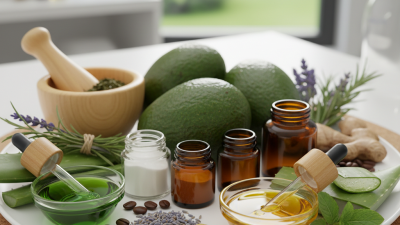
As 2026 approaches, Plant Based Cosmetic Ingredients are moving beyond simple “natural” marketing. Consumers now expect visible results, transparent sourcing, and gentler formulas. The strongest candidates include bakuchiol, plant-derived squalane, green tea polyphenols, oat extracts, centella asiatica, aloe vera, and upcycled fruit oils. Each ingredient offers a different benefit, from supporting the skin barrier to improving the appearance of fine lines.
Evidence matters more than popularity.
Cosmetic chemist and sustainability consultant Dr. Barbara Olioso has emphasized, “Natural is not automatically sustainable; the full story matters.” Her point remains highly relevant for 2026. A botanical extract may sound impressive, yet its performance depends on concentration, stability, processing, and formulation compatibility. A cold-pressed oil can feel luxurious, but it may oxidize quickly without suitable protection. Fermented plant actives may improve bioavailability, although their results still require careful testing.
This guide examines the leading Plant Based Cosmetic Ingredients through a practical lens. It considers skin benefits, formulation challenges, sourcing transparency, and realistic consumer expectations. Bakuchiol may attract attention as a retinol alternative, but it is not identical to retinol. Plant-derived squalane can provide a silky finish, yet its origin should be clearly documented. Green tea and oat extracts appear promising, though extract quality varies widely.
The ranking is not perfect. Beauty trends change quickly, and laboratory findings do not always predict everyday results. Still, responsible ingredient selection can make 2026 skincare more effective, traceable, and thoughtfully designed.
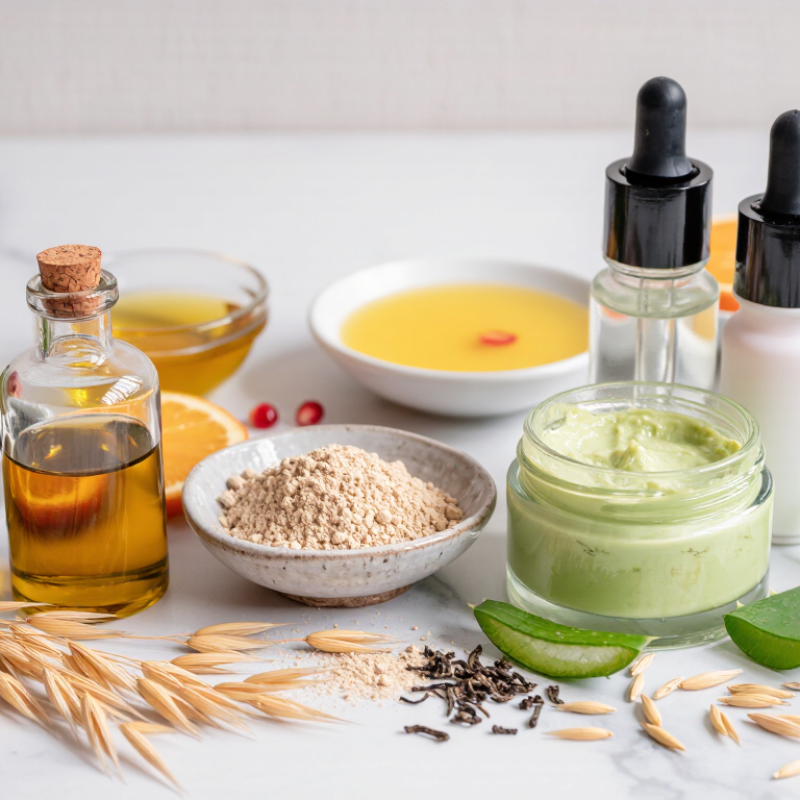
Plant-based cosmetic ingredients are popular in 2026 because consumers want clearer sourcing and gentler daily care. They increasingly examine origin, processing, and environmental claims before purchasing. A leafy label alone is not enough.
Bakuchiol remains attractive for users seeking a plant-derived alternative to retinol-like routines.
Oat extracts help calm dry, easily irritated skin and provide a soft, comforting feel.
Centella asiatica supports soothing formulas, especially after exposure to wind or low humidity.
Jojoba oil resembles the skin’s natural surface oils, so it spreads smoothly without feeling excessively greasy.
Plant-based squalane also offers lightweight moisture and a silky finish.
Performance still matters most.
In formulation work, I have seen simple ingredient lists perform better when concentrations and preservation systems are carefully balanced. Natural ingredients can vary by harvest, extraction method, and storage conditions. That detail is often overlooked. Some botanical extracts may also irritate sensitive users, despite their gentle reputation. Patch testing remains sensible.
Sustainability adds another reason for their popularity.
Consumers notice refillable packaging, responsible farming, and traceable suppliers. However, “natural” does not automatically mean low-impact. Water use, transport, and extraction energy can change the full environmental picture. Reliable products need transparent testing, stable formulas, and evidence-based claims rather than attractive green language.
What Are the 2026 Top Plant Based Cosmetic Ingredients?
How Plant-Based Ingredients Are Sourced and Formulated
Plant-based skincare in 2026 is moving beyond simple ingredient lists. Oat beta-glucan, green tea polyphenols, bakuchiol, and sugarcane-derived squalane remain strong choices. Their value depends on sourcing, processing, and final performance.
Oat beta-glucan should come from clearly identified oat varieties and controlled milling. This helps protect its soothing and moisture-supporting properties. Green tea extracts require careful temperature control during extraction. Excessive heat may reduce sensitive polyphenols. Bakuchiol is usually obtained from cultivated seeds, but responsible farming practices still matter. Soil health, water use, and harvest records deserve attention.
Sugarcane squalane can offer a lightweight, stable emollient for many skin types. However, the word plant-based does not guarantee a better formula. Traceability matters. Formulators should review supplier documentation, batch testing, extraction solvents, and contamination controls. They also test stability, preservation, texture, and compatibility with the skin.
The texture decides. A beautiful extract can fail in a sticky cream. Another may oxidize too quickly. I have seen formulas look impressive on paper but feel uncomfortable after application. That gap needs honest review. Reliable development combines laboratory evidence with practical wear testing. It also avoids exaggerated claims. Plant-based ingredients can support healthy-looking skin, but they are not automatically gentler or more sustainable. Better sourcing and better formulation must work together.
Typical maximum formulation use levels and their plant-based sourcing pathways
Plant-based cosmetic ingredients are sourced from botanical seeds, fruits, leaves, roots, grains, and renewable plant sugars. Formulators select them according to stability, skin compatibility, sensory performance, and the desired concentration. The percentages shown are representative upper-end use levels commonly found in cosmetic formulation guidance; actual levels vary by grade, extraction method, preservation system, and product type.
In 2026, botanical cosmetics are moving beyond a simple “natural” promise. Formulators are selecting plant extracts for measurable skin functions and better traceability. Centella asiatica is valued for soothing stressed skin, while green tea supplies antioxidant polyphenols. Bakuchiol remains popular in evening products because it supports smoother-looking skin without being a vitamin A ingredient. Oat extract helps reduce the feeling of tightness. These choices sound familiar, but their quality varies sharply.
A reliable formula depends on more than the plant name. Extraction method, concentration, storage, and skin compatibility all affect performance. Aloe can feel cooling, yet poorly preserved formulas may irritate compromised skin. Calendula and chamomile are gentle options for some users, though botanical allergies still occur.
Patch testing matters. A fragrance-free formula may also suit reactive skin better. Ingredient lists should identify the exact botanical source and function when possible.
Sustainability is shaping ingredient selection too. Rosemary, licorice, and rice-derived ingredients appear in cleansing, brightening, and barrier-support formulas. Responsible suppliers document cultivation practices and contamination testing. Still, “plant-based” does not guarantee ethical farming or clinical effectiveness. That distinction deserves more attention. I would question impressive claims built from tiny laboratory studies. Skin can respond differently in real life, especially under sun exposure, dryness, or medication use. Professional evaluation remains useful when irritation persists.
What Are the 2026 Top Plant-Based Cosmetic Ingredients?
Plant-based skincare is moving beyond a simple “natural” label. Grand View Research estimated the global natural cosmetics market at over USD 42 billion in 2023, although this category is broader than plant-based formulas. Ingredient performance still matters more than marketing language.
Bakuchiol may suit combination and mature skin. It supports smoother-looking texture with less concern about dryness than some strong retinoid routines. Oat beta-glucan is useful for dry, sensitive skin, especially when the barrier feels tight after cleansing. It can help reduce the appearance of redness and improve comfort. Centella asiatica is another practical choice for reactive skin. Look for formulas with clear concentration and stability information.
Green tea extract fits oily or blemish-prone skin. Its catechins provide antioxidant support, but they do not replace proven acne treatments. Plant-derived squalane can soften dry and normal skin without a heavy finish. Sugarcane-derived versions are often lightweight. Aloe vera may calm temporary discomfort, though its effect depends on processing and the complete formula.
Patch test matters.
The 2024 Global Wellness Institute research shows continued consumer interest in preventive wellness, supporting demand for gentler daily care. Still, “plant-based” does not guarantee safety or effectiveness. Natural extracts can irritate sensitive users, and some claims remain under-studied. In practice, I would choose fewer ingredients, transparent testing, and skin-specific evidence over a crowded botanical list.
| Plant-Based Ingredient | Botanical Source | Key Naturally Occurring Components | Primary Cosmetic Benefits | Best-Suited Skin Types | Common Product Formats | Important Considerations |
|---|---|---|---|---|---|---|
| Aloe Vera | Aloe barbadensis leaf gel | Polysaccharides, including acemannan; water and minerals | Provides lightweight hydration and a soothing, cooling feel; helps support the skin barrier after environmental exposure. | Normal, oily, combination, sensitive, and dehydrated skin | Gels, toners, moisturizers, after-sun products, masks | Botanical extracts can vary in concentration. Fragranced formulas may not suit highly reactive skin. |
| Jojoba Oil | Simmondsia chinensis seed oil | Wax esters and long-chain fatty acids | Softens the skin, reduces moisture loss, and provides a stable emollient texture. | Normal, dry, combination, and blemish-prone skin seeking a light oil | Facial oils, creams, cleansing oils, lip care, hair and scalp products | Patch testing is advisable, especially for people with known plant-oil sensitivities. |
| Shea Butter | Vitellaria paradoxa seed butter | Stearic and oleic acids; unsaponifiable compounds | Richly moisturizes, smooths rough texture, and helps reduce transepidermal water loss. | Dry, very dry, mature, and compromised-barrier skin | Body butters, balms, rich creams, hand creams, lip products | Its rich texture may feel heavy on oily or acne-prone facial skin. |
| Green Tea | Camellia sinensis leaf extract | Catechins, particularly epigallocatechin gallate (EGCG) | Offers antioxidant support and may help calm the appearance of redness associated with environmental stress. | Oily, combination, sensitive, and environmentally stressed skin | Serums, toners, eye products, moisturizers, masks | Extract quality and stability depend on processing and packaging. |
| Bakuchiol | Psoralea corylifolia seed extract | Bakuchiol, a meroterpene phenol | Helps improve the appearance of uneven tone, fine lines, and skin texture; often used as a plant-derived alternative to retinol. | Normal, combination, oily, and mature skin | Night serums, creams, facial oils | It can still cause irritation or dryness. Use sunscreen during the day and follow product directions. |
| Rosehip Seed Oil | Rosa canina or Rosa rubiginosa seed oil | Linoleic and alpha-linolenic acids; naturally occurring carotenoids | Emollient care for dry skin and support for a smoother, more even-looking complexion. | Dry, normal, mature, and dull-looking skin | Facial oils, night creams, balms, body oils | As with other botanical oils, oxidation and fragrance components may affect tolerance. |
| Colloidal Oatmeal | Avena sativa kernel flour | Beta-glucans, avenanthramides, proteins, and lipids | Soothes dry, itchy-feeling skin, supports the skin barrier, and helps retain moisture. | Sensitive, dry, eczema-prone, and compromised-barrier skin | Cleansers, creams, lotions, bath products, soothing masks | People with an oat allergy should avoid oat-derived ingredients unless advised otherwise by a healthcare professional. |
| Licorice Root | Glycyrrhiza glabra root extract | Glabridin, liquiritin, and glycyrrhizin | Helps brighten the appearance of uneven tone and provides soothing antioxidant support. | Dull, sensitive, combination, and uneven-toned skin | Brightening serums, spot-care products, creams, masks | Results depend on the extract type and concentration. Daily broad-spectrum sunscreen remains important for uneven tone. |
| Chamomile | Matricaria recutita flower extract | Apigenin, bisabolol, and chamazulene-related compounds | Provides a calming feel and antioxidant support for visibly stressed skin. | Sensitive, dry, normal, and redness-prone skin | Toners, creams, cleansers, eye products, masks | Individuals allergic to plants in the Asteraceae family may be more likely to react. |
| Plant-Derived Squalane | Typically produced from olives or sugarcane; source varies by formulation | Hydrogenated squalene-derived emollient | Smooths the skin, improves softness, and helps reduce moisture loss with a lightweight finish. | All skin types, including dry, sensitive, and combination skin | Serums, moisturizers, facial oils, cleansers | Confirm the ingredient source when a specific plant origin is important. Choose properly packaged formulas to help maintain stability. |
Note: Skin responses vary by individual. Introduce new products gradually, patch test when appropriate, and follow the product’s usage instructions.
Plant-based cosmetics are moving beyond simple “natural” claims. In 2026, bakuchiol, oat beta-glucan, centella asiatica, green tea, and responsibly sourced plant oils remain strong choices. Bakuchiol may support smoother-looking skin, while oat beta-glucan helps comfort dry, sensitive areas. Centella can reduce the appearance of temporary redness. However, plant-based does not automatically mean gentle or safe.
Ingredient safety depends on concentration, extraction, preservation, and personal sensitivity. Essential oils may irritate some users, even when naturally derived. Patch testing remains practical. Sustainability also requires evidence. Regenerative farming, lower-water extraction, recyclable packaging, and traceable supply chains matter more than green wording. Upcycled fruit peels and agricultural residues could become valuable cosmetic materials. Still, I question whether every “upcycled” claim explains its full environmental cost.
Tips: Check the ingredient list, not only the front label. Choose clear sourcing information and suitable preservatives. Test new products on a small skin area first. Future formulas may use fermentation to produce consistent plant-derived actives with less land pressure. Waterless powders and concentrated balms may reduce transport emissions. Yet these formats can create dosing mistakes or packaging waste. Better innovation should balance skin performance, user convenience, worker safety, and measurable environmental improvement.