2026 Top Anti Aging Ingredients You Need to Know?
The quest for youthful skin has led to a surge in interest around Anti Aging Ingredients. In 2022, the global anti-aging market was valued at approximately $60 billion and is projected to reach $88 billion by 2026. This growth reflects the growing awareness of the science behind skin aging and the efficacy of certain compounds.
Scientific studies highlight that ingredients such as retinol, hyaluronic acid, and peptides are foundational in combating signs of aging. Retinol, a derivative of vitamin A, is proven to reduce wrinkles and improve skin texture. Hyaluronic acid, known for its ability to retain moisture, plumps the skin and enhances elasticity. However, not all ingredients are effective for every skin type.
The importance of personalized skincare cannot be overstated. Many consumers might find that specific Anti Aging Ingredients can irritate their skin or provide minimal benefits. Understanding these nuances is vital. As we explore the top anti-aging ingredients, it is essential to recognize that what works for one may not work for another. Thus, a tailored approach based on individual skin needs is crucial for achieving desired results.
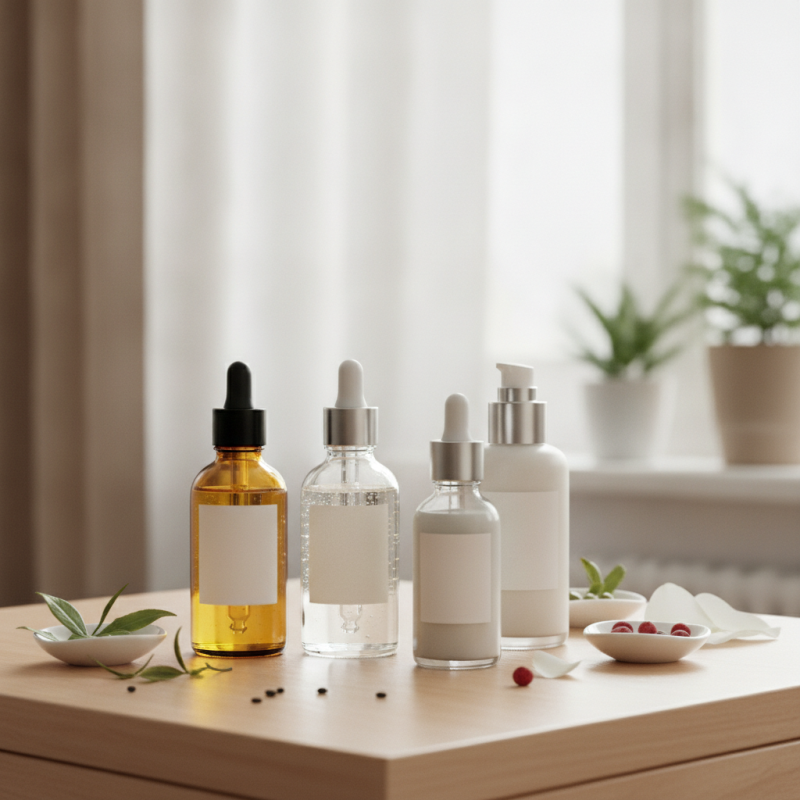
Overview of Anti-Aging Ingredients in 2026
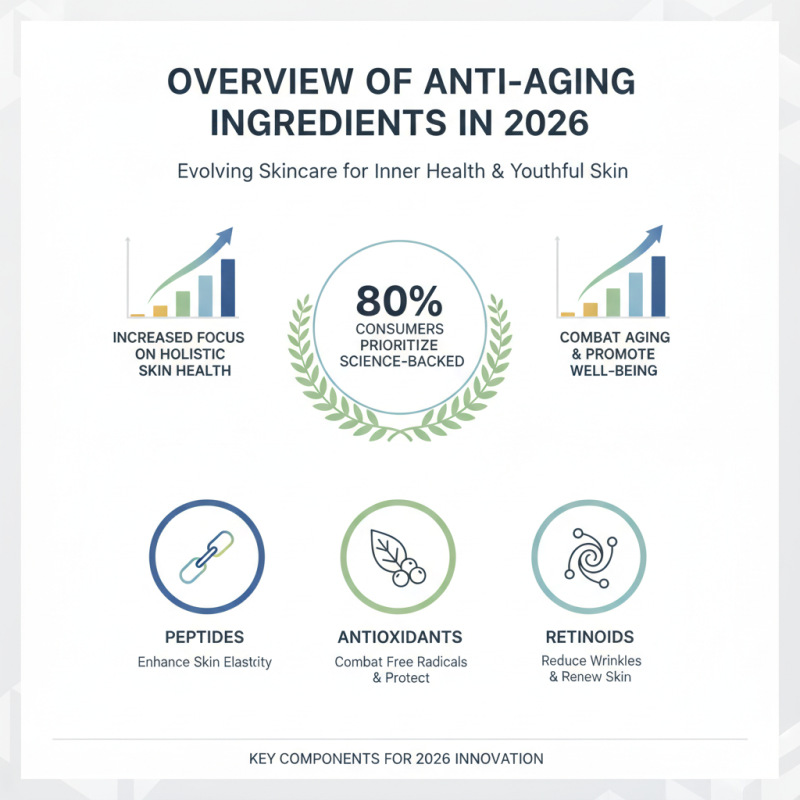
In 2026, the landscape of anti-aging skincare is evolving. Experts predict an increased focus on ingredients that not only combat signs of aging but also promote skin health from within. Reports indicate that 80% of consumers now prioritize products containing scientifically-backed ingredients. Key components include peptides, antioxidants, and retinoids, which show promise in enhancing skin elasticity and reducing wrinkles.
Peptides are hailed for their ability to stimulate collagen production. Studies suggest that regular use can improve the skin's texture by up to 30%. Antioxidants, such as vitamin C, defend against environmental damage and boost skin brightness. The increasing popularity of natural extracts, like bakuchiol, offers a gentle alternative to traditional retinoids.
Tip: Always patch-test new products to avoid adverse reactions.
As the industry grows, a challenge remains: misinformation. Some consumers may fall for exaggerated claims. It's critical to seek evidence-based information before making purchase decisions. Formulations that are free from harmful chemicals are essential, but savvy shoppers must verify the source and reliability of their information.
Tip: Stay informed on ingredient effectiveness by following dermatological studies.
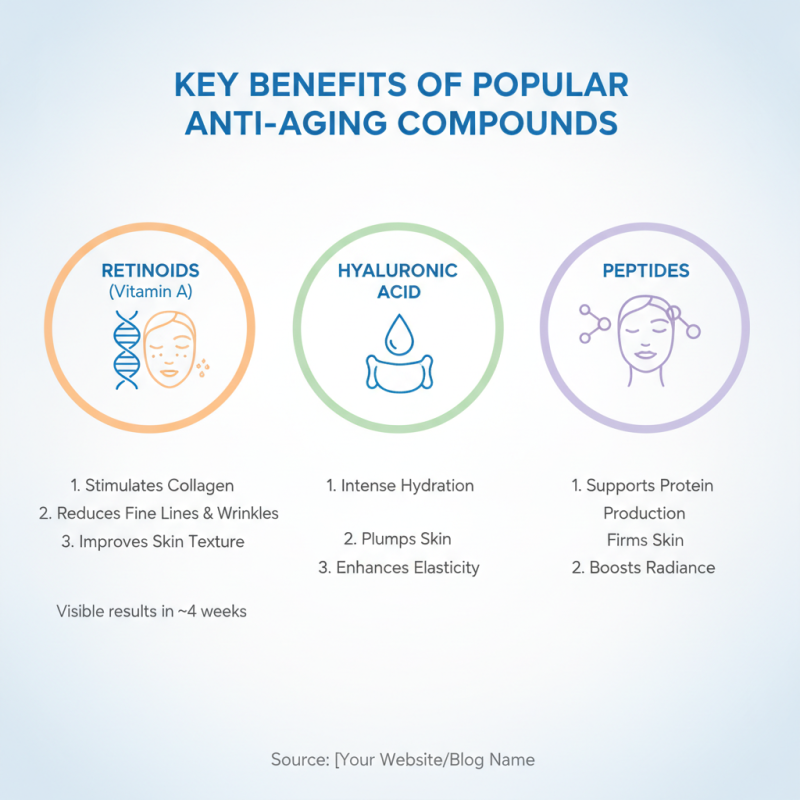
Key Benefits of Popular Anti-Aging Compounds
Aging is a natural process, but certain compounds can help reduce its visible effects. Popular anti-aging ingredients such as retinoids, hyaluronic acid, and peptides are gaining attention for their remarkable benefits. Retinoids, derived from vitamin A, stimulate collagen production. This can diminish fine lines and improve skin texture. Research suggests that users may notice significant improvements within four weeks of consistent use.
Hyaluronic acid is well-known for its hydrating properties. It can hold 1,000 times its weight in water, which plumps the skin and reduces dryness. A study published in the Journal of Clinical and Aesthetic Dermatology highlighted that this compound can improve skin elasticity after just eight weeks. Peptides, another important ingredient, can enhance skin barrier function and boost collagen synthesis, leading to firmer skin.
Tips: Always conduct a patch test before trying new products. Consider consulting a dermatologist for personalized advice. Incorporating sunscreen daily can further protect against UV damage, maximizing the benefits of these compounds. While these ingredients show promise, individual reactions may vary, and results are not guaranteed. Adjust your routine based on how your skin responds for the best outcomes.
Emerging Anti-Aging Technologies and Research
The field of anti-aging is rapidly evolving. New technologies and research are emerging, promising potential breakthroughs. Recent reports indicate that the global anti-aging market will reach over $420 billion by 2026, highlighting significant advancements. Innovations like stem cell therapy and gene editing are leading the charge. These approaches aim to repair cellular damage that contributes to aging.
Some studies show that the use of human-derived stem cells can rejuvenate tissues effectively. This research is in its infancy, so results vary between studies. Additionally, advancements in 3D bioprinting are making it feasible to create skin models for testing anti-aging products. This technology could enhance product development, making it more efficient and precise.
Tip: Stay informed about emerging technologies and their implications. Ongoing research may unveil ingredients that can significantly change how we approach aging. As the industry grows, it's crucial to evaluate the credibility of studies published. Reliable sources will help you navigate the nuances of this evolving field. Aging is a complex process, and the journey to find effective solutions requires patience and ongoing education.
2026 Top Anti Aging Ingredients You Need to Know
| Ingredient |
Key Benefits |
Mechanism of Action |
Emerging Research |
| Retinol |
Reduces fine lines, improves skin texture |
Stimulates collagen production, accelerates cell turnover |
New formulations enhancing stability and absorption |
| Hyaluronic Acid |
Deep hydration, plumps skin |
Bind water in skin, improves elasticity |
Nanotech delivery systems enhancing effectiveness |
| Peptides |
Stimulates collagen and elastin production |
Signal skin cells to regenerate |
Multiple peptide complexes showing synergistic effects |
| Vitamin C |
Brightens skin, reduces pigmentation |
Antioxidant action, neutralizes free radicals |
Stabilized forms enhancing efficacy in formulations |
| Niacinamide |
Reduces redness, improves skin barrier |
Regulates oil production, enhances skin resilience |
Synergistic effects with other actives for combined benefits |
How to Incorporate Anti-Aging Ingredients into Your Routine
Incorporating anti-aging ingredients into your routine requires a thoughtful approach. Start with the basics: cleanse your skin gently but thoroughly. After cleansing, always apply a Vitamin C serum. This ingredient brightens your complexion and protects against environmental stressors.
Next, consider using products with retinol. Retinol is a powerful ingredient that aids in cell turnover. While it can improve texture, it may also cause irritation initially. Start slow. Use it twice a week, then increase as tolerated.
Pay attention to how your skin reacts; less is often more.
Hydration is key. Look for hyaluronic acid in your moisturizers. It draws moisture into the skin, giving it a plump appearance. Finally, don't forget sunscreen. This essential step can prevent further aging.
Your daily routine should embrace these practices, yet remain adaptable. Adjust based on your skin's needs and reactions. Everyone's skin is unique, and finding the right balance takes time.
Safety and Efficacy of Anti-Aging Ingredients in Skincare
When exploring anti-aging ingredients in skincare, safety and efficacy are paramount. Many popular ingredients, like retinoids and peptides, have demonstrated positive results in clinical studies. Retinoids promote cell turnover, helping reduce fine lines. However, they may cause irritation for some users, particularly those with sensitive skin.
Peptides, known for their skin-repairing properties, also show promise. They can stimulate collagen production, leading to improved skin elasticity. However, not all peptides are equally effective. Their effectiveness often depends on the formulation and concentration used.
Natural ingredients, such as hyaluronic acid and vitamin C, are gaining attention. While they provide hydration and antioxidant benefits, the proof of their long-term efficacy remains inconclusive. Users must approach these products with realistic expectations. Skincare is an ongoing journey, often requiring trial and error to find what truly works.
Top Anti-Aging Ingredients in Skincare (2026)
This chart illustrates the effectiveness and safety ratings of popular anti-aging ingredients based on recent research. The ratings are on a scale from 1 to 10, with 10 being the most effective or safe.