How to Choose Specialty Cosmetic Oils for Global Sourcing
Choosing Specialty Cosmetic Oils for global sourcing demands more than comparing prices or reading attractive labels. A rosehip, jojoba, or sea buckthorn oil may look impressive in a supplier catalogue. Its real value depends on origin, extraction method, freshness, testing, and documented handling. Cosmetic formulator Perry Romanowski has emphasized, “Natural does not automatically mean safe.” That reminder matters when evaluating oils for skincare, haircare, and personal-care formulations.
Reliable sourcing begins with evidence. Request the botanical name, plant part, country of origin, extraction details, refining status, and batch number. Examine the certificate of analysis, peroxide value, acid value, microbiological results, and relevant contaminant tests. For essential or highly aromatic oils, review allergen declarations and compositional data. A clean warehouse also matters. Heat, light, and repeated opening can damage delicate lipids before production begins.
Look closely.
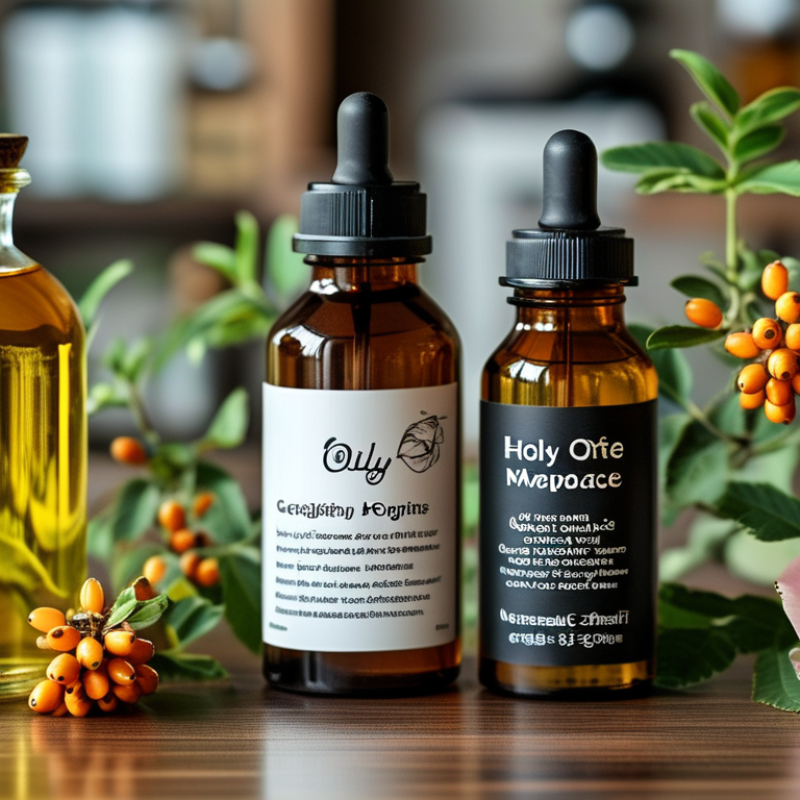
Packaging should protect the oil from oxygen and light. Amber drums, nitrogen flushing, and controlled storage can reduce oxidation risks. Supplier audits should examine traceability, worker practices, sustainability claims, and continuity of supply. Certifications may support credibility, but they do not replace independent verification. Organic status, for example, should match the requirements of the intended market.
Some choices remain imperfect. A rare oil may offer a beautiful sensory profile but create unstable supply. A lower-cost refined oil may perform better in a consistent formula. Global sourcing also involves different documentation expectations, so one checklist cannot fit every destination. Test pilot batches under realistic conditions. Observe scent, color, viscosity, and stability over time. Good sourcing is not simply finding a premium oil. It is building a defensible decision around quality, safety, performance, and honest limitations.
Define Specialty Cosmetic Oils and Their Main Applications
Specialty cosmetic oils are refined or naturally derived lipids chosen for specific performance, not simply for low cost. Their value may come from a controlled fatty-acid profile, light skin feel, oxidation resistance, or a distinctive absorption rate. Cold-pressed botanical oils, fractionated oils, and cosmetic esters all belong to this wider category. According to Grand View Research’s 2024 cosmetics market outlook, the global cosmetics market exceeded USD 400 billion in 2023. This scale increases demand for oils that improve texture and product stability. The definition is still not perfectly consistent across suppliers.
Their main applications include facial serums, body creams, cleansing oils, hair conditioners, scalp treatments, and color cosmetics. In a serum, a lighter oil can spread quickly across dry skin. In a balm, a thicker oil can support cushion and shine.
Hair products often use oils to reduce roughness and improve combability. European cosmetic and personal care sales reached about €104 billion in 2024, according to Cosmetics Europe’s market performance report. That growth reflects many formulation needs, not one universal oil choice.
Sourcing teams should compare INCI names, fatty-acid data, peroxide values, allergen declarations, and origin records.
Tips: Request recent certificates of analysis and a retained sample. Test odor after heat and light exposure. Ask about harvest variation. A beautiful specification sheet can still hide inconsistent batches. For global sourcing, verify documentation against the destination market’s cosmetic requirements, then confirm the oil performs in the finished formula. Pay attention to packaging, too. Headspace, seals, and storage temperature can quietly change quality.
Identify Skin, Hair, and Product Formulation Requirements
Choosing specialty cosmetic oils begins with the skin’s real condition, not a fashionable ingredient name. Dry skin often needs replenishing lipids, while sensitive skin requires low-odor, carefully refined oils. Hair products demand different evidence, especially for combability, shine, and scalp comfort. In pilot work, I check oil spreadability on a warm skin panel and observe residue after ten minutes. Small details matter. A pleasant oil can still feel heavy.
Formulation requirements should guide global sourcing. Confirm oxidation stability, fatty-acid profile, color, odor, allergen declarations, and compatibility with emulsifiers. Cold-process facial oils may tolerate delicate materials, but high-heat processing needs stronger thermal stability. For shampoos, lighter oils may reduce greasy buildup. This is where supplier documents often disappoint; a specification sheet alone cannot predict the final texture.
Market context supports careful selection. McKinsey and The Business of Fashion’s State of Fashion: Beauty 2023 report projects the global beauty market could approach 580 billion dollars by 2027. Cosmetics Europe reported European cosmetics and personal-care sales of about 104 billion euros in 2023. These figures signal demand, not automatic product success. ISO 16128 can help describe natural-origin content, but it does not replace safety testing or performance data. I would request recent certificates of analysis, stability results, traceability records, and samples from multiple lots. Yet even this process is imperfect. Regional climate, packaging, and storage can change an oil’s behavior before launch.
Evaluate Supplier Quality, Certifications, and Global Compliance
How to Choose Specialty Cosmetic Oils for Global Sourcing
When sourcing specialty cosmetic oils globally, supplier quality must extend beyond attractive samples. I request recent certificates of analysis for every production batch. These documents should show identity, purity, fatty acid profile, odor, color, and microbial results. Samples can mislead.
A capable supplier should explain raw material origins, extraction methods, storage conditions, and transport controls. I also check batch traceability from source material to final packaging. Independent laboratory testing can verify oxidation, heavy metals, pesticide residues, and other relevant contaminants. For sensitive formulations, review allergen information and stability data before approval.
Certifications require careful examination. ISO 22716 may support cosmetic good manufacturing practices, while organic or sustainability claims need appropriate, current verification. A certificate should match the facility, product scope, and manufacturing location. Expired documents create avoidable risk. Global compliance also depends on the destination market, labeling rules, restricted substances, safety assessments, and required technical files. Suppliers should provide clear regulatory documents, not vague assurances.
No audit is perfect. A remote assessment may overlook poor warehouse practices or inconsistent cleaning records. I prefer combining supplier questionnaires, document reviews, video inspections, and periodic independent tests. Communication matters, too. Delayed answers can signal weak control systems, although language and time zones sometimes cause innocent friction. Build corrective-action plans with deadlines and evidence. Reliability develops through repeated results, not promises.
Select Oils Based on Cost, Logistics, Sustainability, and Performance
Choosing specialty cosmetic oils for global sourcing requires more than comparing supplier quotes. Calculate landed cost per usable kilogram, including freight, insurance, duties, testing, storage, and expected losses. UNCTAD’s Review of Maritime Transport 2023 reports that over 80% of global trade by volume moves by sea. Port delays can therefore change a “low-cost” oil into an expensive ingredient. I have seen small differences in drum size, loading temperature, and minimum order quantities disrupt production schedules. Request recent certificates of analysis, fatty-acid profiles, peroxide values, and oxidation-stability results. Performance must survive the journey, not only the laboratory sample.
Sustainability claims need similar discipline. UNEP’s Global Resources Outlook 2024 projects that global resource extraction could rise by 60% by 2060 without stronger action. Natural origin alone proves little. Review cultivation methods, water demand, land-use risks, worker conditions, transport distance, and traceability to the processing site. Use life-cycle data when available, and verify certification records independently. Logistics also affects environmental performance; larger consolidated shipments may reduce packaging and emissions per kilogram. However, consolidation can increase inventory and oxidation risk. That trade-off is easy to overlook. A practical sourcing scorecard should weight cost, delivery reliability, verified sustainability evidence, and skin-feel performance, while leaving room for uncomfortable findings.