How to Source Natural Active Ingredients Globally?

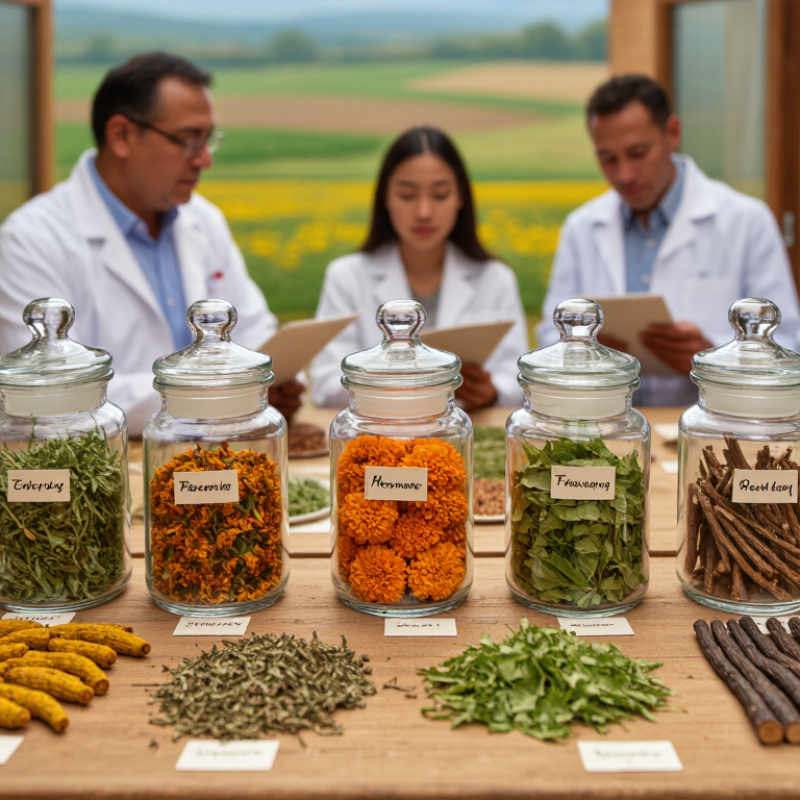
Sourcing Natural Active Ingredients globally is not simply a search for the lowest price. It is a disciplined process that connects geography, cultivation, processing, testing, and supplier integrity. A botanical harvested in Morocco, India, or Peru may carry different risks, even when its name appears identical on paper. Climate, soil, drying temperature, storage humidity, and transport time can change its chemical profile.

“You cannot test quality into a product,” says Roy Upton, founder of the American Herbal Pharmacopoeia. His warning remains highly practical for international sourcing teams. Laboratory analysis matters, but it cannot replace responsible cultivation, clear documentation, and careful supplier selection. Strong programs begin with botanical identity, authenticated reference samples, and specifications for active compounds. They also review pesticide residues, heavy metals, microbial limits, adulteration risks, and batch-to-batch consistency. Good records make good decisions.

Experience teaches another lesson. A polished certificate does not always reveal the whole supply chain. Audits should examine farms, collection practices, drying rooms, warehouses, and worker conditions. Photographs help. Direct conversations help more. Sustainable harvesting and fair relationships also protect long-term supply, especially for slow-growing plants. The map is never perfect.

Procurement teams should compare independent test results with supplier data and document every deviation. They should also check destination-market requirements before shipment. Global regulations differ, and compliance must be verified by qualified professionals. Mistakes can happen, even in experienced organizations. Honest review makes the system stronger. This guide explores practical methods for sourcing Natural Active Ingredients with greater transparency, consistency, and confidence.

How to Source Natural Active Ingredients Globally?

Define Natural Active Ingredients and Their Global Applications

Natural active ingredients are substances obtained from plants, algae, minerals, or controlled biological processes. Their value comes from a measurable function, not simply their natural origin. A botanical extract, for example, may support skin hydration, antioxidant protection, or soothing performance. However, not every plant extract is truly active.

In global applications, these ingredients appear in personal care, functional foods, wellness products, and selected healthcare formulations. Their use depends on local regulations, consumer expectations, and scientific evidence. Experienced sourcing teams review botanical identity, growing conditions, extraction methods, and contaminant limits. They also request batch testing, stability data, and clear traceability records. A reliable supplier should explain seasonal variation rather than hide it.

Natural materials can change.

A clean certificate does not answer every question. It may confirm purity while saying little about long-term performance. I have found that small details matter, such as the harvest month, drying temperature, and storage humidity. These factors can influence color, odor, and active-compound levels. Independent laboratory testing and recognized analytical methods improve confidence, but they do not remove uncertainty. Global sourcing therefore requires practical judgment, documented evidence, and ongoing communication with growers and processors. The best specification is still open to review when field results disagree with laboratory expectations.

Identify Reliable Regions, Crops, and Potential Ingredient Suppliers

How to Source Natural Active Ingredients Globally?

Identify Reliable Regions, Crops, and Potential Ingredient Suppliers

Reliable sourcing begins with the crop, not the supplier’s sales presentation. Mediterranean farms may provide rosemary and olive extracts with strong cultivation histories. India is widely associated with turmeric, amla, and botanical powders. West Africa can offer shea-derived ingredients, while South America supplies quinoa and açai materials. Regional reputation helps, but it never replaces verification.

Look for suppliers who can identify the farm, harvest period, plant part, and extraction method. Ask for botanical names, batch records, contaminant testing, and stability data. A serious supplier should explain water use, labor practices, and storage conditions clearly. Request small trial batches before signing a large contract. Test identity, purity, odor, color, and active-marker levels independently.

Do not assume a famous growing region guarantees consistent quality. Weather changes. Harvest skills vary. Even well-documented crops can show seasonal differences. I would also question unusually low prices; they may reflect dilution, weak traceability, or incomplete testing. Supplier audits are useful, but they are not perfect. Visiting farms or processing sites can reveal practical details that documents miss. Build a comparison file for each candidate, including lead times, minimum order quantities, certifications, and corrective-action history. Reliable partnerships grow from evidence, repeated testing, and honest discussion of weaknesses.

Evaluate Quality, Safety, Sustainability, and Regulatory Compliance

When sourcing natural active ingredients globally, quality begins with identity, not marketing language. I ask for the botanical name, plant part, origin, harvest season, and extraction method. A clear specification should define marker compounds, appearance, odor, moisture, and storage conditions. Each lot needs a certificate of analysis linked to a batch number. Independent testing should confirm potency and detect heavy metals, pesticides, microbes, and adulterants. One document is never enough. I compare laboratory results with retained samples and supplier records.

Safety requires more than a clean test report. Risk depends on dose, route, vulnerable users, and possible interactions. I review allergen statements, residual solvents, toxicology data, and stability results before approval. Traceability should reach the farm, processor, and transport stage. Site audits can reveal poor drying areas, mixed materials, or weak pest controls. Photos help, but verified records matter more. Some suppliers provide incomplete evidence. That is a warning, not a minor inconvenience.

Sustainability claims need measurable details. I look for water use, land practices, energy sources, worker protections, and harvest limits. Wild collection can threaten ecosystems when volumes are poorly controlled. Renewable packaging does not repair irresponsible cultivation. Regulatory compliance must be checked in the destination market, including permitted ingredients, labeling, novel-food rules, and restricted claims. Requirements change. Translations can hide important differences. I sometimes approve a source too quickly when timelines tighten. That mistake deserves review. A documented change-control process, current legal assessment, and periodic retesting keep decisions defensible.

Build a Transparent Sourcing and Supply Chain Management Process

How to Source Natural Active Ingredients Globally?

Build a Transparent Sourcing and Supply Chain Management Process

Sourcing natural active ingredients globally requires more than finding low prices. It requires evidence at every handoff. A transparent process starts with supplier profiles, origin records, harvest dates, and processing details. We request batch-specific documents, then compare them with samples and laboratory results. Farm photographs, sealed containers, and warehouse records add useful context. Still, paper can look cleaner than reality. Our first supplier map missed a local processor, so we revised it after an on-site review. Good systems leave room for correction.

Each material should have a traceable lot code from collection to finished formulation. Digital records help, but controlled access and regular backups matter too. We verify identity, purity, contaminants, moisture, and stability through qualified independent laboratories when appropriate. Quality teams should define acceptance limits before testing begins. This reduces biased decisions. It also exposes weak specifications. Supplier approval cannot end with an audit. We monitor delivery times, document changes, review deviations, and reassess risks by region and season. Weather, transport delays, and changing local practices can affect consistency.

Responsible sourcing includes clear communication with growers and processors. Contracts should cover volumes, payment terms, quality expectations, and corrective actions. We also check whether traceability claims match site observations. Sometimes they do not. That finding is uncomfortable, but useful. A practical risk register can rank geographic, environmental, and supply risks. It should be updated after serious deviations, not only during annual reviews. For high-risk lots, release remains paused until the evidence is complete.

How to Source Natural Active Ingredients Globally? - Build a Transparent Sourcing and Supply Chain Management Process
Ingredient / Material Recognized Botanical Source Common Producing Regions Typical Active or Quality Marker Preferred Supply Form Core Traceability Evidence Key Quality Tests Main Supply-Chain Risks Recommended Supplier Controls Relevant Reference or Benchmark
Green Tea Extract Camellia sinensis leaves China, Japan, India, Sri Lanka, Kenya Catechins, including epigallocatechin gallate (EGCG) Spray-dried extract or standardized powder Farm or cooperative location, harvest season, batch number, extraction record, country of origin Botanical identity, catechin profile by HPLC, caffeine content, pesticides, heavy metals, microbiological quality Seasonal variation, pesticide residues, oxidation, adulteration with low-cost plant material Approve farms and processors; define catechin and caffeine specifications; require retained samples and change-control notification ISO 14502-2 for determination of catechins in tea; applicable food and cosmetic contaminant limits
Turmeric Extract Curcuma longa rhizomes India, Bangladesh, Myanmar, Indonesia Curcuminoids, including curcumin Dry extract, oleoresin, or standardized curcuminoid powder Growing region, harvest date, drying method, extraction solvent, batch genealogy Identity by HPTLC or HPLC, curcuminoid profile, moisture, pesticides, heavy metals, microbial count, synthetic-dye screening Adulteration with synthetic colorants or undeclared fillers; moisture-related mold growth Use risk-based authenticity testing; audit drying and storage areas; prohibit undocumented reprocessing or blending Pharmacopoeial botanical identity methods and national limits for contaminants and residues
Rosehip Seed Oil Rosa rubiginosa or Rosa canina seeds Chile, Argentina, South Africa, Europe Linoleic acid, alpha-linolenic acid, oleic acid, and natural tocopherols Cold-pressed, filtered oil in light-protective containers Seed origin, pressing date, pressing yield, filtration record, storage temperature, lot number Fatty-acid profile by GC, peroxide value, acid value, anisidine value, moisture, pesticide residues, oxidation markers Oxidation, incorrect species declaration, blending with cheaper oils, heat damage Set oxidation limits; require GC fingerprinting and packaging-oxygen controls; use nitrogen flushing where appropriate Codex guidance for edible fats and oils; ISO methods for fatty-acid composition and oxidation testing
Jojoba Oil Simmondsia chinensis seeds Mexico, Argentina, Australia, Israel, United States Long-chain wax esters, especially eicosenoic and docosenoic esters Refined or unrefined liquid wax ester Farm location, seed lot, pressing or extraction records, refining parameters, batch certificate GC profile, refractive index, saponification value, acid value, peroxide value, pesticide residues Adulteration with vegetable oils, oxidation, inconsistent refining, temperature-related quality changes Maintain a reference chromatographic fingerprint; test every incoming lot and control storage temperature International standards and validated laboratory methods for cosmetic oils and wax esters
Shea Butter Vitellaria paradoxa kernels West and Central Africa, including Ghana, Burkina Faso, Nigeria, Mali, and Uganda Stearic and oleic acids, unsaponifiable fraction, and natural tocopherols Unrefined, refined, or fractionated butter Village or cooperative origin, kernel collection records, processing site, batch mass balance, shipment documents Fatty-acid profile, free fatty acids, peroxide value, moisture, insoluble impurities, pesticides, microbiological quality Moisture and mold, smoke contamination, inconsistent grading, seasonal supply fluctuations Define kernel quality grades; verify drying and hygiene controls; separate certified and non-certified material in inventory Codex standards for edible fats and oils; recognized organic and social-compliance schemes where claimed
Vanilla Extract Vanilla planifolia cured beans Madagascar, Indonesia, Uganda, Papua New Guinea, Mexico Vanillin and the natural flavor profile of cured vanilla Liquid extract, oleoresin, or powdered vanilla Bean-growing area, curing records, extraction ratio, solvent identity, lot number, chain-of-custody documents Vanillin and flavor profile by HPLC or GC, alcohol content where applicable, microbiology, pesticides, foreign matter Price volatility, theft, moisture variation, undeclared synthetic vanillin, supply interruptions Use multi-season purchasing; verify natural-origin claims analytically; monitor moisture and secure warehouse handling ISO 5565 for vanilla; applicable flavoring, labeling, and contaminant regulations
Tea Tree Essential Oil Melaleuca alternifolia leaves and terminal branches Australia, South Africa, China, Kenya Terpinen-4-ol and the characteristic monoterpene profile Steam-distilled essential oil Plantation location, harvest date, distillation batch, botanical identity, storage and filling records GC-MS or GC-FID profile, density, refractive index, optical rotation, peroxide value, adulterant screening Oxidation, species substitution, dilution with synthetic or lower-cost oils, light and heat exposure Require light-resistant packaging; define the chromatographic specification; test incoming lots for oxidation and dilution ISO 4730:2017, Oil of Melaleuca, terpinen-4-ol type
Rosemary Extract Salvia rosmarinus leaves Mediterranean countries, North Africa, China, South Africa Carnosic acid, carnosol, or volatile rosemary constituents, depending on extract type Antioxidant extract or essential oil Botanical material source, harvest period, extraction solvent, concentration step, carrier information Marker compounds by HPLC, residual solvents, pesticides, heavy metals, microbiology, carrier identity Confusion between antioxidant and essential-oil grades; solvent residues; variation caused by harvest timing Separate specifications by intended use; verify solvent removal; approve both botanical material and extraction facility Applicable cosmetic, food, and pharmaceutical quality requirements according to the intended application
Acerola Extract Malpighia emarginata fruit Brazil, Puerto Rico, Mexico, other tropical regions Natural vitamin C, primarily L-ascorbic acid Fruit powder or dried extract Orchard or collection area, harvest date, processing time, drying method, batch and blending records Vitamin C by validated HPLC or titration, moisture, water activity, microbiology, pesticides, heavy metals Rapid vitamin C degradation, moisture absorption, blending with undeclared synthetic vitamin C Control time from harvest to drying; use moisture-barrier packaging; require a clear natural-origin declaration and mass balance Official methods for vitamin C analysis and applicable food supplement regulations
Cocoa Extract Theobroma cacao beans West Africa, Latin America, Southeast Asia Flavanols, procyanidins, theobromine, and total polyphenols Defatted cocoa powder or standardized extract Farm polygon or cooperative record, fermentation and drying data, country of origin, batch mass balance Polyphenol profile, theobromine, cadmium, lead, pesticides, ochratoxin A where relevant, microbiology Heavy-metal contamination, deforestation risk, fermentation variation, child-labor and forced-labor risks Map upstream origin; apply responsible-sourcing due diligence; test cadmium by lot; document fermentation and drying controls EU Regulation 2023/1115 for relevant deforestation-risk commodities; applicable contaminant limits
Ginseng Extract Panax ginseng roots China, South Korea, Russia, Canada, United States Ginsenosides, including Rb1, Rg1, and Re Dry extract or standardized powder Botanical species, cultivation period, root age, farm location, extraction record, batch certificate Ginsenoside profile by HPLC, botanical identity, pesticides, heavy metals, residual solvents, microbial quality Species substitution, incorrect root age, undeclared adulteration, long cultivation cycles Verify species by chromatographic and botanical methods; record cultivation duration; audit raw-material segregation Relevant pharmacopoeial monographs and national rules for botanical supplements or cosmetics
Aloe Vera Extract Aloe barbadensis Miller leaf Mexico, Dominican Republic, United States, India, Australia Polysaccharide content, commonly measured as acemannan or total polysaccharides Stabilized liquid, spray-dried powder, or concentrated juice Plantation location, leaf-harvest date, processing time, decolorization record, preservation system Botanical identity, polysaccharide profile, aloin control, microbiology, heavy metals, preservatives, water activity Loss of activity during processing, microbial contamination, excessive aloin, dilution with water or carriers Control leaf-to-process time; specify aloin limits; verify concentration factor, preservative system, and microbiological controls International Aloe Science Council methods where applicable; applicable cosmetic and food regulations
Process note: Supplier approval should be based on botanical identity, origin evidence, lot-level traceability, validated testing, social and environmental due diligence, and documented change control. Organic or fair-trade status should only be accepted when supported by a current certificate issued by an authorized certification body.

Verify, Document, and Continuously Improve Ingredient Performance

How to Source Natural Active Ingredients Globally?

Reliable sourcing begins with evidence, not attractive claims. Each botanical sample should have a clear scientific identity, harvest region, plant part, and processing history. Request a certificate of analysis, but do not treat it as complete proof. Independent testing can confirm marker compounds, microbial limits, heavy metals, pesticides, and residual solvents. Documentation should also record batch numbers, storage conditions, transport temperatures, and approved suppliers.

Small details matter. A sealed sample may arrive with a different color after a long journey. That change deserves investigation, not dismissal. Compare retain samples with incoming batches under controlled lighting and temperature. Run stability checks at practical intervals, then connect the results with the ingredient’s performance in the finished formula. This approach helps separate natural variation from poor handling or inconsistent processing.

Performance must be reviewed continuously. Track potency, solubility, odor, color, and consumer-use data across production batches. When results drift, examine the entire chain, including rainfall, drying time, extraction settings, packaging, and warehouse humidity. Not every trial succeeds. Our own records may reveal weak assumptions, incomplete sampling, or an overreliance on supplier paperwork. That is useful evidence. Corrective actions should be documented, tested, and revisited before wider adoption. Clear records also support responsible regulatory review in each destination market.