How to Source Cosmetic Butters Ingredients in 2026?
Sourcing Cosmetic Butters Ingredients in 2026 requires more than finding a supplier with attractive prices. It requires evidence, comparison, and practical judgment. Shea butter, mango butter, cocoa butter, and kokum butter can vary widely in texture, odor, color, and stability.
Perry Romanowski, a cosmetic chemist and educator, is often associated with this practical principle: “Safety comes from the entire formulation, not from one ingredient.” That idea matters when selecting cosmetic butters. A beautiful raw material can still create problems if its peroxide value rises, its origin is unclear, or its documentation is incomplete.
Start with the supplier’s INCI name, country of origin, processing method, batch number, and certificate of analysis. Request fatty acid profiles, microbiological results, heavy-metal testing, allergen information, and oxidation data. Ask whether the butter is refined, deodorized, cold-pressed, or fractionated. Each process changes performance.
Look beyond the sample jar. Ask about harvest seasons, storage temperature, packaging barriers, minimum order quantities, and supply continuity. Traceability should reach the processor, not stop at a trading company. Supplier audits and independent laboratory testing add confidence.
Small details matter.
A practical mistake is trusting “natural” claims without checking stability data. I have seen buyers focus on color while overlooking rancid notes after heat exposure. That is not a minor issue. It can affect consumer acceptance, preservation strategy, and product shelf life.
Reliable sourcing is not perfect. It is documented, tested, and regularly reviewed. In 2026, the strongest buyers will balance sensory quality, ethical sourcing, technical performance, and realistic supply risks.
Define Cosmetic Butters and Their Common Ingredient Types
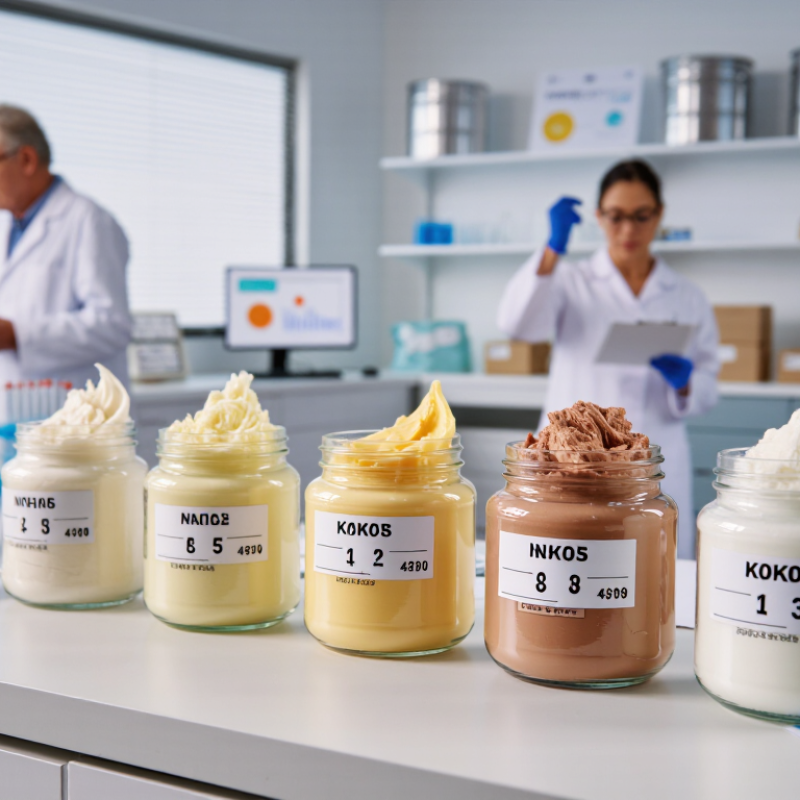
Cosmetic butters are semi-solid, lipid-rich ingredients used to soften and protect skin. They usually melt with body heat and create a smooth, cushiony feel. Unlike liquid oils, butters can add structure to creams, balms, and body products. Common plant-based types include shea, cocoa, mango, kokum, and avocado butter. Each has a different melting point, color, scent, and texture. Cocoa butter feels firm and waxy, while shea butter usually feels softer and creamier. Mango butter often offers a lighter, drier touch. These differences influence both formulation and consumer experience.
When sourcing cosmetic butters in 2026, request the exact INCI name, botanical origin, processing method, and country of harvest. A reliable supplier should provide batch numbers, a certificate of analysis, and current testing for microbial quality and contaminants. Ask whether the material is refined, deodorized, cold-processed, or hydrogenated. Refined butter may have a cleaner appearance and milder odor. Unrefined butter can retain more natural color and aroma, but its quality may vary between harvests. Hydrogenated vegetable oils can improve stability and firmness, although they are not always marketed as traditional plant butters. I have learned that supplier documents deserve careful review. They are useful, but not perfect. A neat spreadsheet cannot replace a small laboratory trial. Test the butter for spreadability, graininess, odor, and stability before approving a larger purchase.
Set Ingredient Specifications for Texture, Purity, and Performance
How to Source Cosmetic Butters Ingredients in 2026?
Set clear specifications before contacting suppliers. Texture should match the final product, not only the ingredient sample. Define spreadability, hardness, graininess, melting range, and color tolerance. A butter that feels smooth at 22°C may become waxy in a cooler warehouse. Request samples from several production lots. Compare them at room temperature and after controlled heating and cooling. Small differences matter.
Purity specifications should include identity testing, odor, moisture, microbial limits, and contaminant screening. Ask for a current certificate of analysis and traceability documents. Check the botanical source, processing method, extraction solvent, and storage conditions. Performance testing should cover absorption, skin feel, oxidation stability, and compatibility with oils or emulsifiers. A pleasant first impression can be misleading. Some butters perform well in a jar but feel heavy after application. Regional cosmetic requirements may also affect documentation and testing.
Tips: Write acceptance limits in measurable terms. Use a defined color scale and melting range. Keep retention samples from approved lots. Test packaging compatibility during warm storage. Do not rely on supplier descriptions alone. Ask how results were measured.
A practical specification may need revision after pilot batches. That is not failure. It shows the formula is being evaluated honestly. Sourcing decisions should balance sensory quality, verified purity, consistent performance, and dependable supply records.
How to Source Cosmetic Butters Ingredients in 2026?
Set Ingredient Specifications for Texture, Purity, and Performance
Melting-point targets are useful for predicting skin feel, spreadability, and formulation stability.
Cocoa, shea, and mango butters typically soften near skin temperature, while kokum butter is harder
and can improve structure in balms and solid products. When sourcing, confirm the supplier’s certificate
of analysis for moisture, free fatty acids, peroxide value, fatty-acid profile, microbiological quality,
and origin-specific purity requirements.
Values shown are representative midpoints of commonly published technical specification ranges and should
be verified against the current batch certificate of analysis before purchase.
Verify Quality Through Sampling, Testing, and Documentation
How to Source Cosmetic Butters Ingredients in 2026?
Verify Quality Through Sampling, Testing, and Documentation
Reliable sourcing begins with a controlled sample, not a polished supplier presentation. Request a sealed sample from the exact production lot. Record its lot number, shipping date, storage conditions, color, odor, and texture upon arrival. A sample should reflect the bulk material. It should not be specially selected.
Do not guess. Compare the sample with the agreed specification. Check appearance, melting behavior, moisture, acid value, peroxide value, and microbiological quality. For suitable materials, an independent laboratory can assess identity using techniques such as FTIR or chromatography. Testing should match the butter’s botanical source and intended cosmetic use. A certificate of analysis supports review, but it does not replace verification.
Small details matter. Request traceability records covering origin, processing, packaging, transport, and storage. Review allergen statements, contaminant controls, shelf-life data, and change-notification procedures. Keep retained samples for comparison during production. One practical weakness is relying on documents without checking physical consistency. That mistake can survive until the ingredient reaches a finished formula. A qualified quality professional should investigate unusual odor, separation, color shifts, or inconsistent test results. Documentation must be current, legible, and linked to the correct lot. Suppliers should answer technical questions with evidence, not vague assurances.
Plan Ethical Sourcing, Storage, Costs, and Supply Continuity
Sourcing cosmetic butter ingredients in 2026 requires more than comparing prices. Ask suppliers for harvest regions, processing methods, batch records, and current certificates. Traceability matters. I prefer suppliers who explain producer payments and seasonal risks clearly. A video call can reveal more than a polished brochure. Request small samples, then check scent, color, texture, melting behavior, and oxidation after controlled storage. Independent laboratory testing can verify identity, purity, moisture, and microbial quality.
Storage protects both quality and cash flow. Keep butter in sealed, food-grade containers away from sunlight, heat, and humidity. Follow the supplier’s temperature guidance, because each butter behaves differently. Keep it cool. Record batch numbers, receipt dates, opening dates, and inspection results. Use older stock first, but do not ignore changes in odor or texture. I once underestimated how quickly a warm storeroom could affect a soft butter. That mistake changed my receiving procedure.
Supply continuity needs practical cost planning. Compare the full cost, including testing, freight, customs handling, storage space, and rejected batches. Maintain approved alternatives without switching blindly. Test every substitute in the finished formula. Build slack. A small safety stock can protect production during poor harvests or transport delays, but excessive inventory may expire before use. Review forecasts monthly and discuss capacity with suppliers early. I still find demand estimates imperfect, especially for seasonal products. That is why flexible contracts, clear specifications, and documented quality decisions remain more reliable than optimistic purchasing plans.